
Racing
Wheels
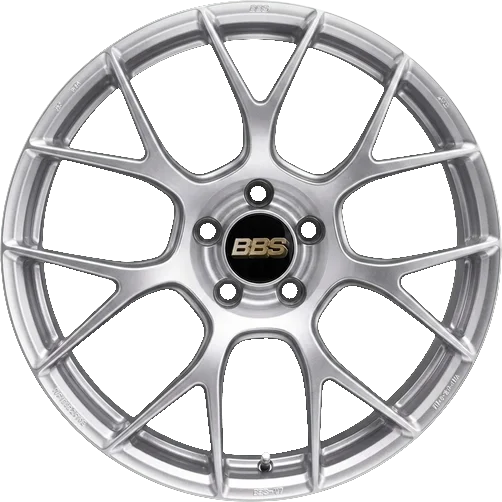
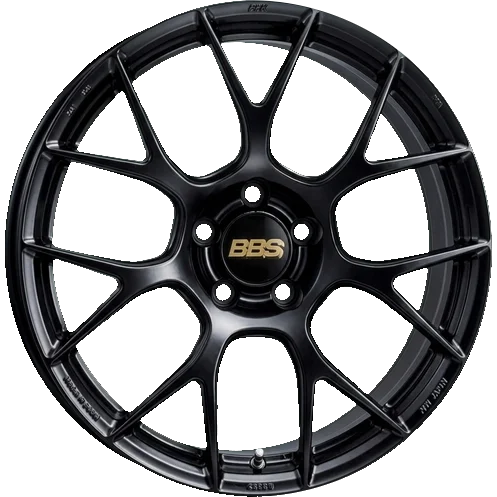
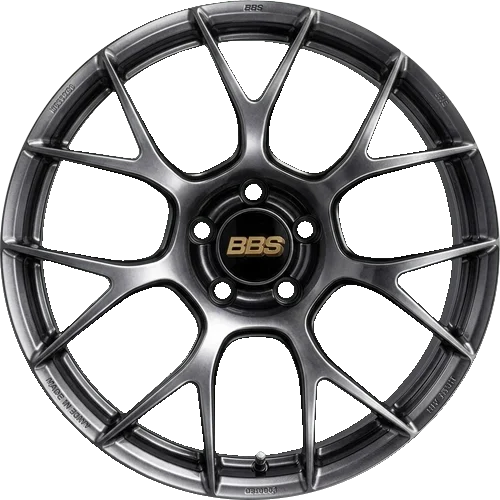
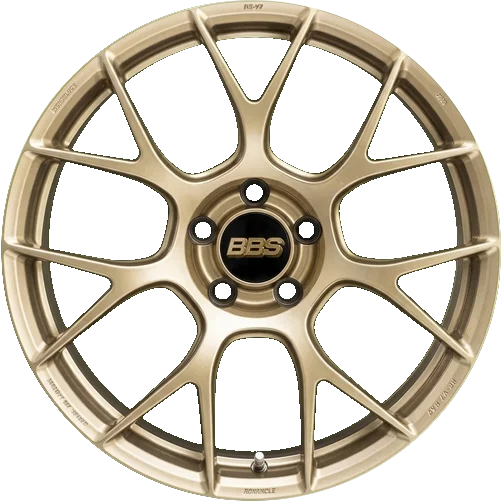
Lightweight forged and cast wheels made for the track by RAYS, Yokohama Wheel, BBS and ENKEI, shipped direct from Japan. Less weight at each corner helps your car turn in, brake and accelerate harder, lap after lap.
- Bolt pattern
- 5 x 100
- Hub bore
- 54.1 mm
- Wheel nuts
- M12 x P1.5
| Factory | Standard | Aggressive | |
|---|---|---|---|
| 17" | 7.0J +45 | 7.0-7.5J +43 to +50 | 8.0-8.5J +35 to +40 |
| 18" | 7.5-8.0J +44 to +50 | 8.5-9.0J +38 to +42 |
The Caldina GT-Four came with 17x7 +45 wheels on 215/45R17 tyres, the same size front and rear. Most owners fit 18x7.5 to 18x8 at +44 to +50 on 225/40R18, which fits without modification, or 17x7 to 17x7.5 at +43 to +50. With rolled rear fenders and some extra front camber, 18x8.5 to 18x9 at +38 to +42 on 235/40R18 sits flush.
Wheel fitment is a guide from factory sizes, wheel brands' recommendations and our research, not a guarantee: body work, suspension and tires can change the fit. Learn more about ordering wheels
Fitment Visualiser
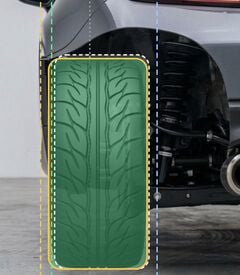
Compare diameter, width, offset, spacers & tires on your car in real-time.
Standard Fitment
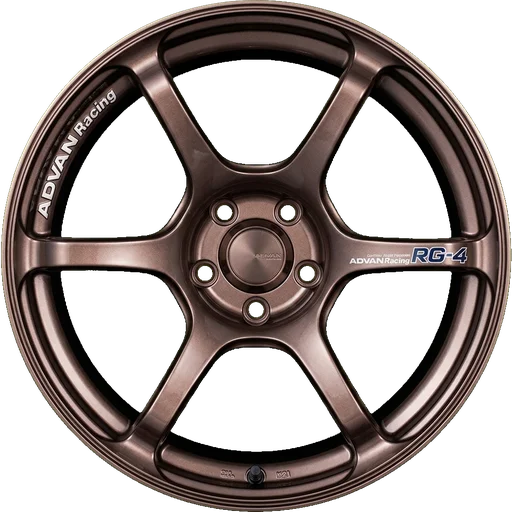
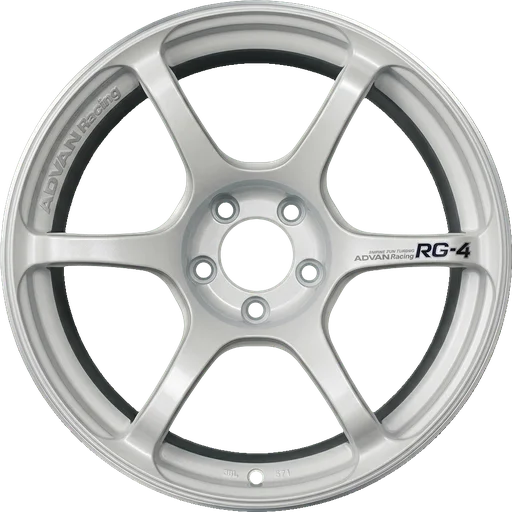
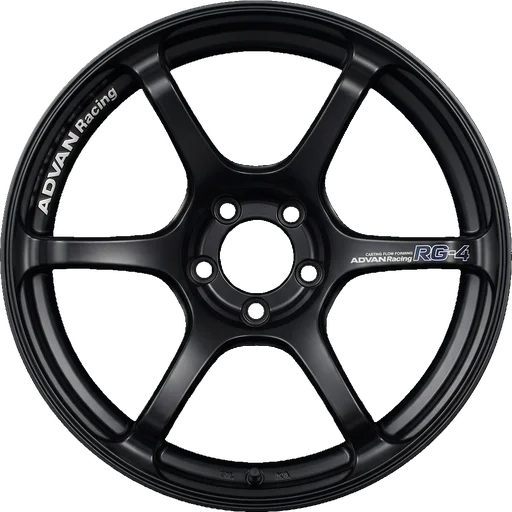
Standard Fitment
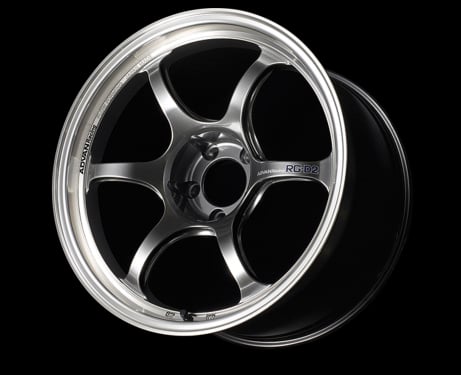
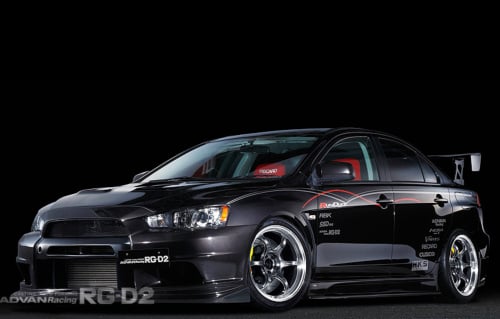
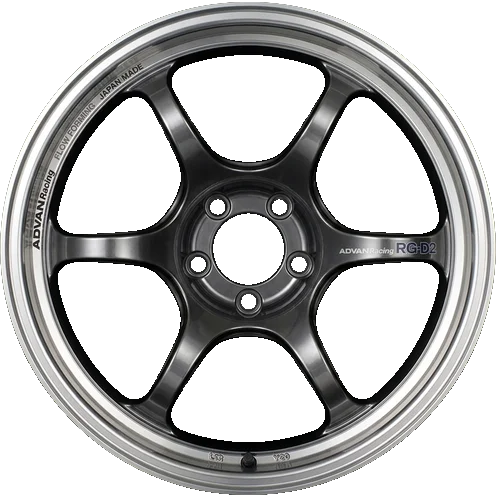
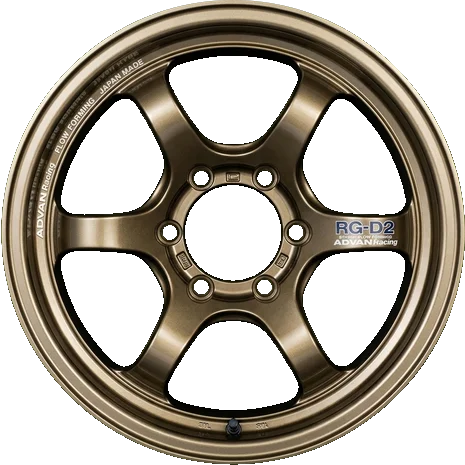
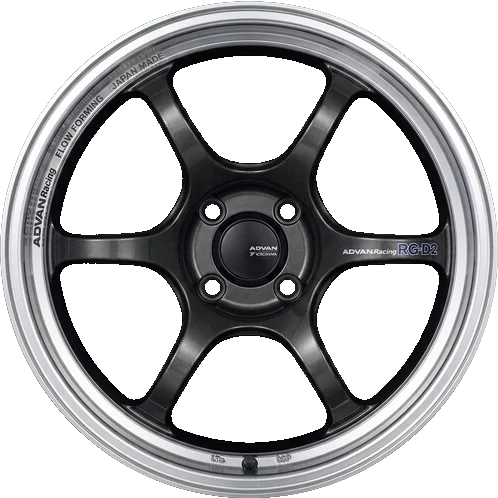
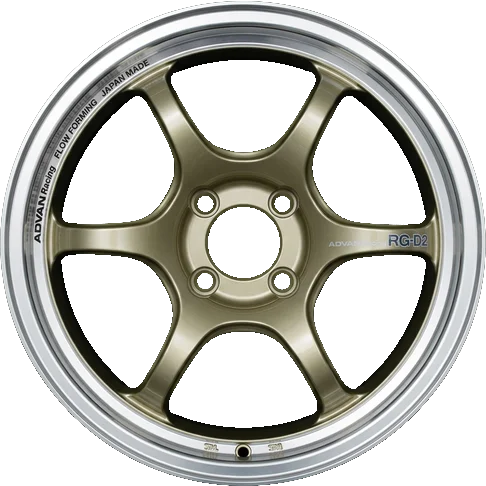
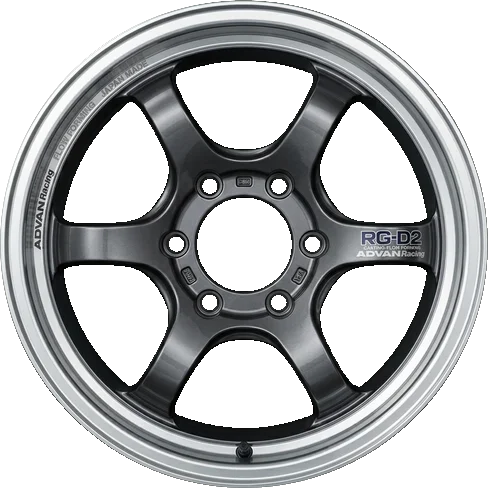
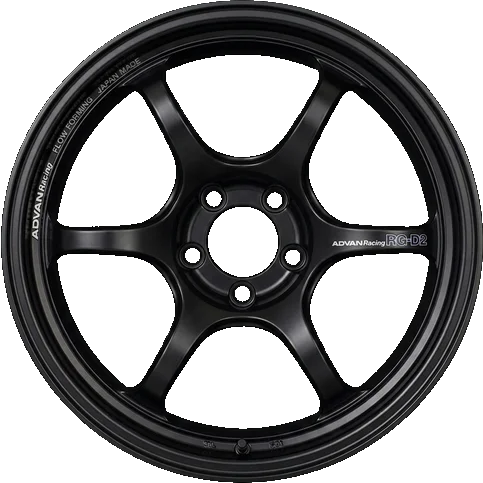
Standard Fitment
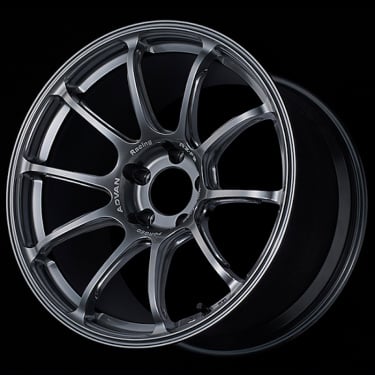
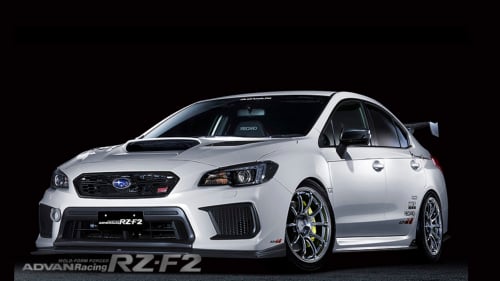
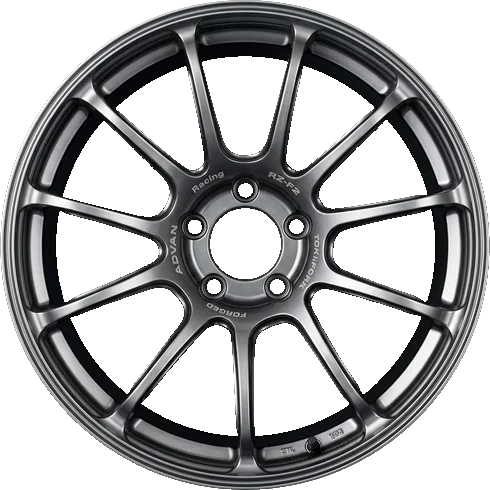
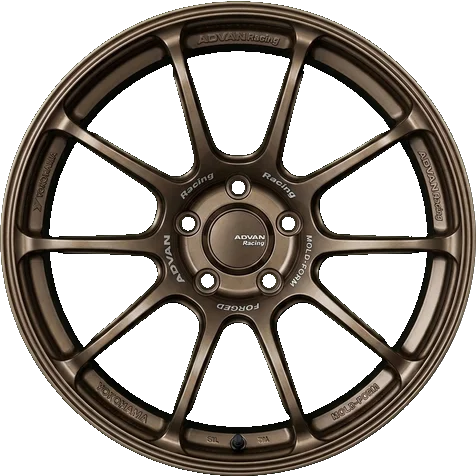
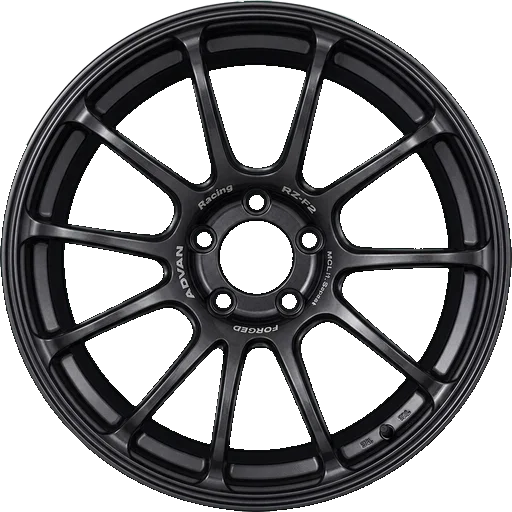
Standard Fitment
Standard Fitment Simulate 
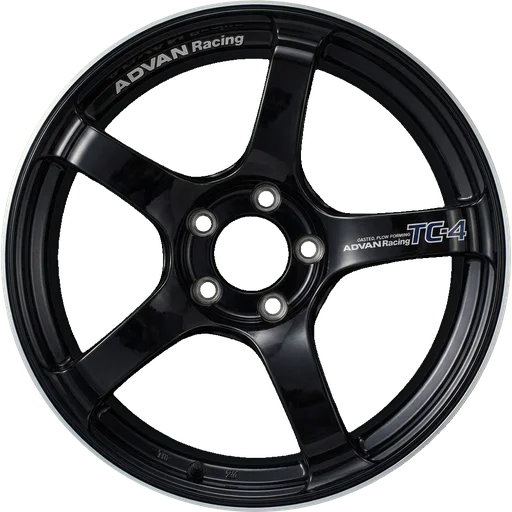
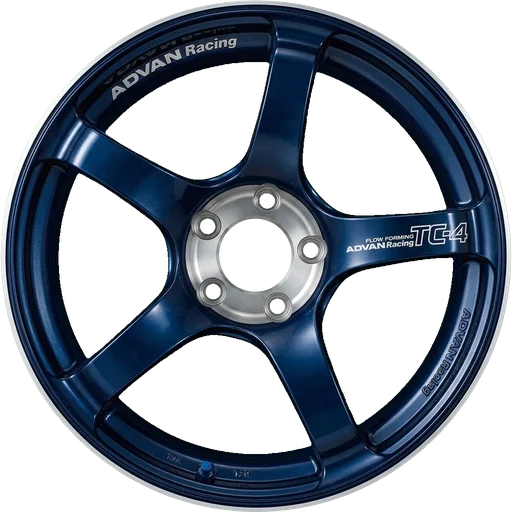
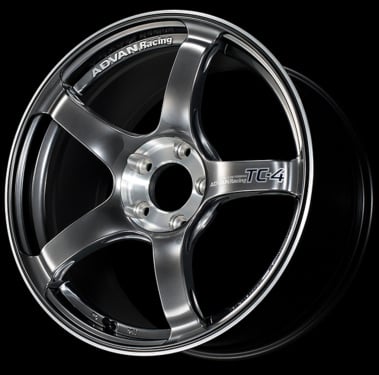
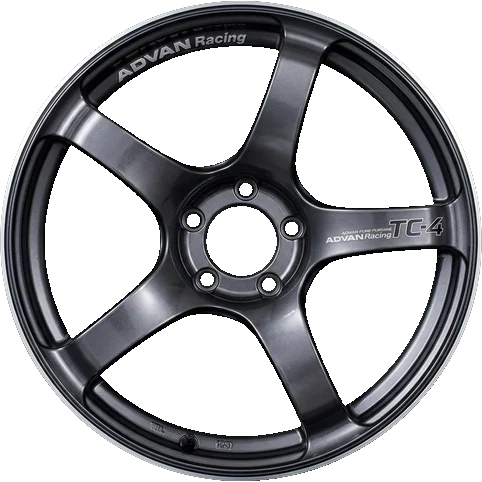
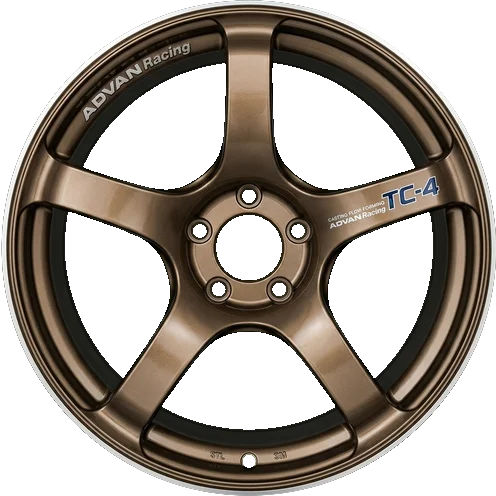
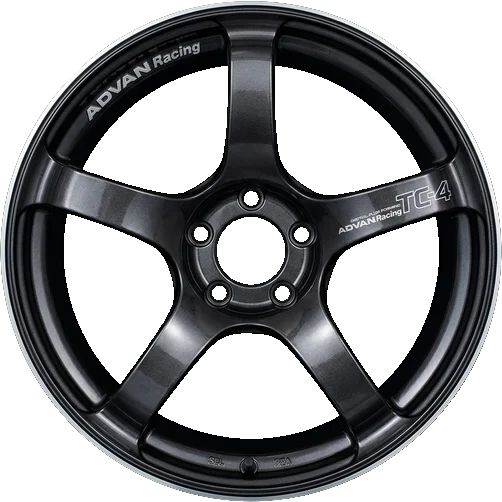
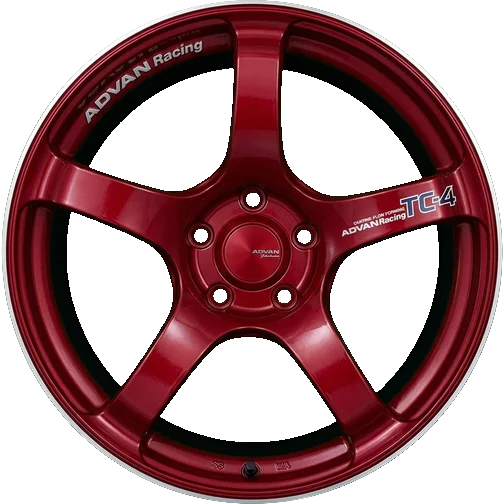
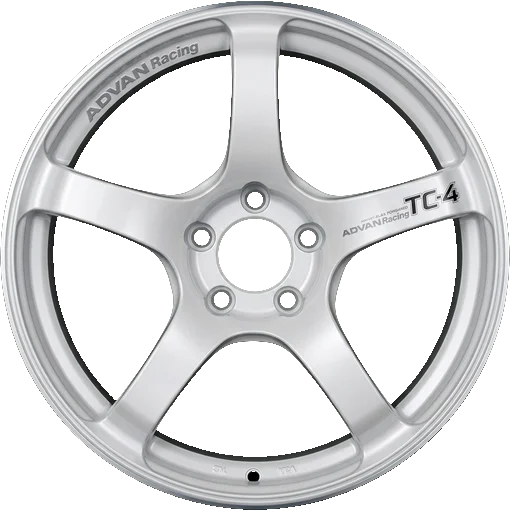
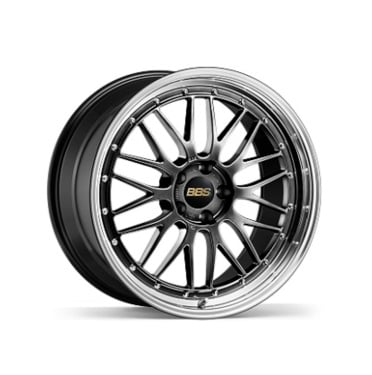
Yokohama Wheel ADVAN RacingTC-4 SE · Racing Hyper Black & Diamond Cut
From USD $ 227.77 to 405.62 ea
Standard Fitment
Standard Fitment Simulate
In stock
Standard Fitment
Standard Fitment Simulate
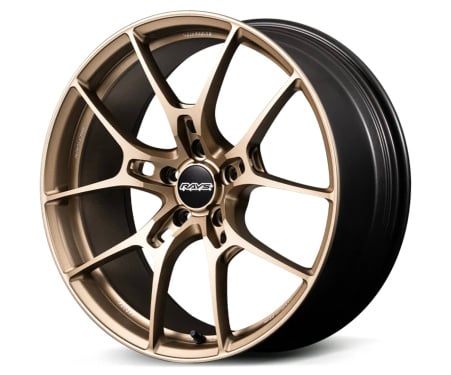
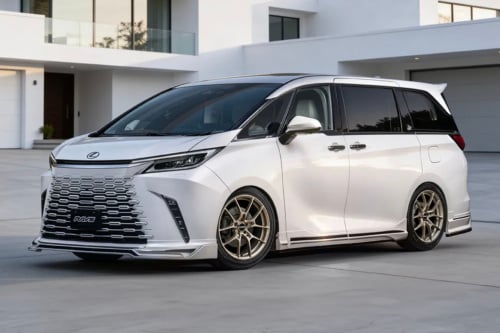
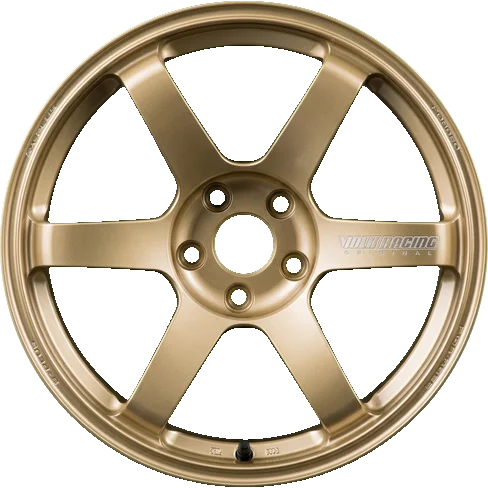
RAYS VOLK RACINGG025 LTD. Matte Gold Wheels · Matte Gold
From USD $ 675.62 to 873.65 ea
Standard Fitment
Standard Fitment Simulate 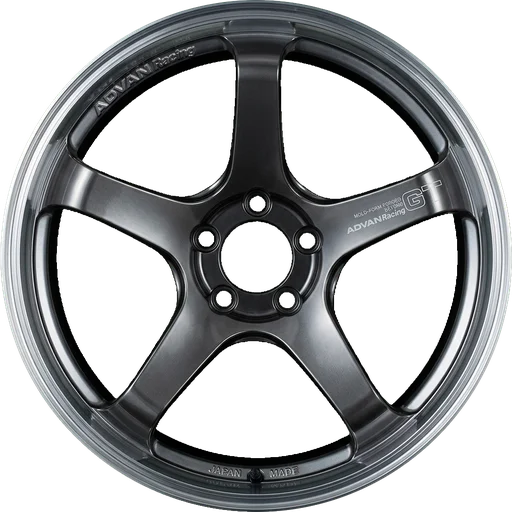
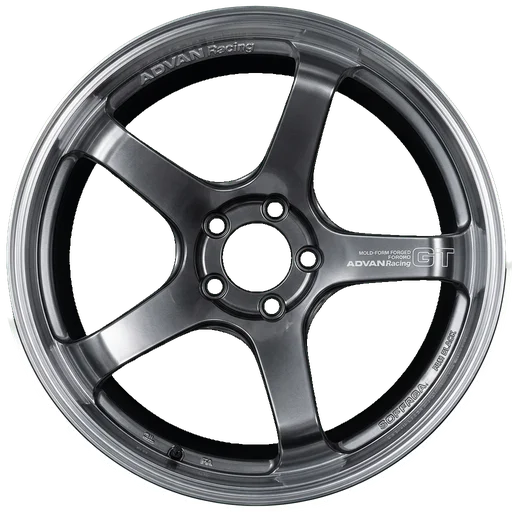
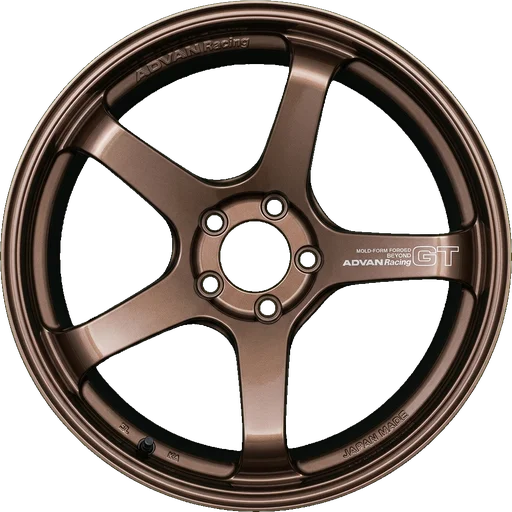
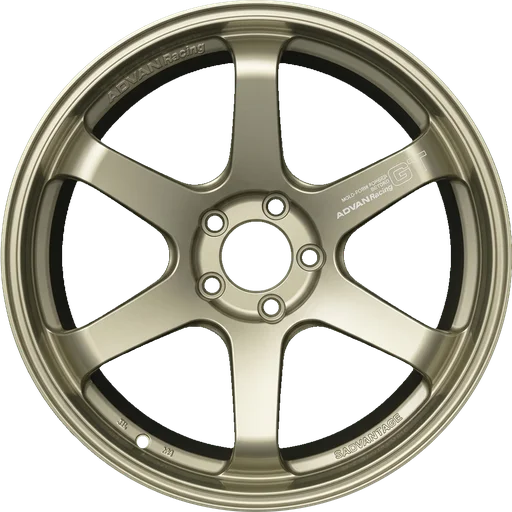
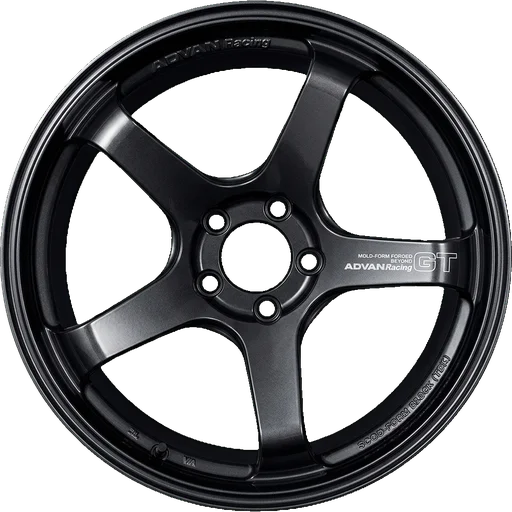
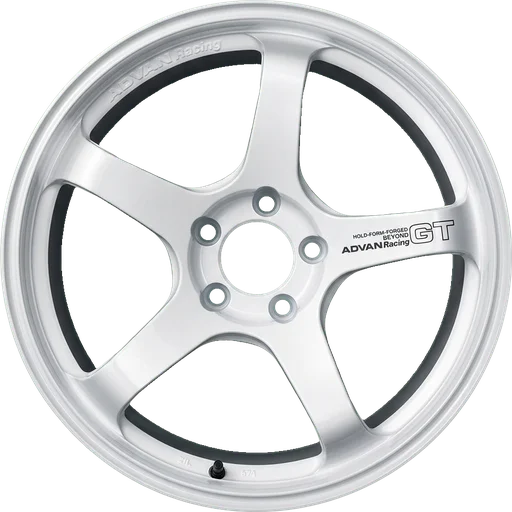
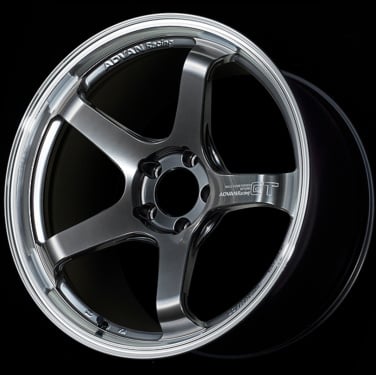
Yokohama Wheel ADVAN RacingGT BEYOND Wheels · Machining & Racing Hyper Black
From USD $ 511.71 to 858.05 ea
Standard Fitment
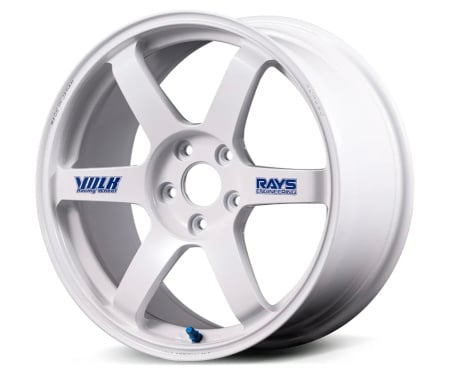
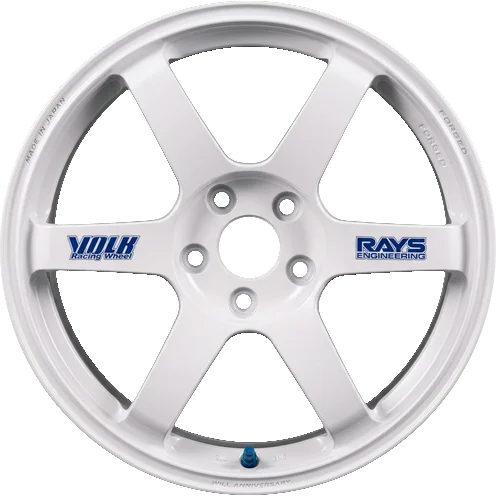
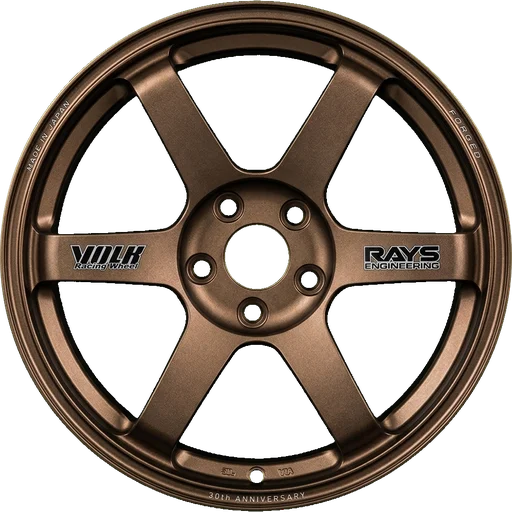
Standard Fitment
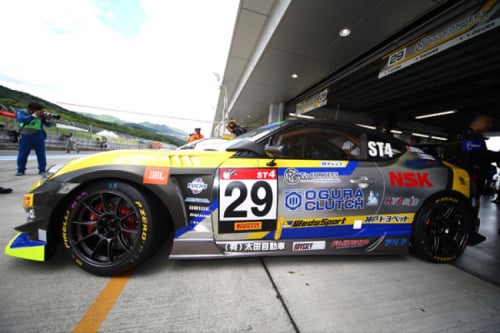
Standard Fitment
Standard Fitment Simulate
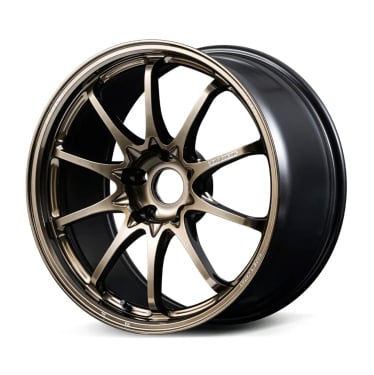
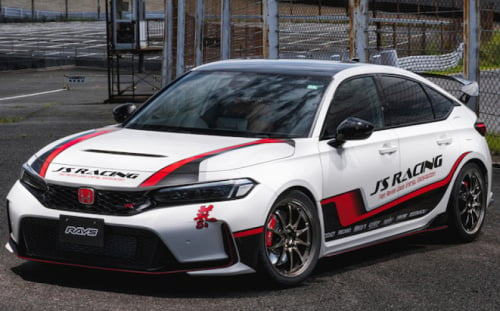
In stock
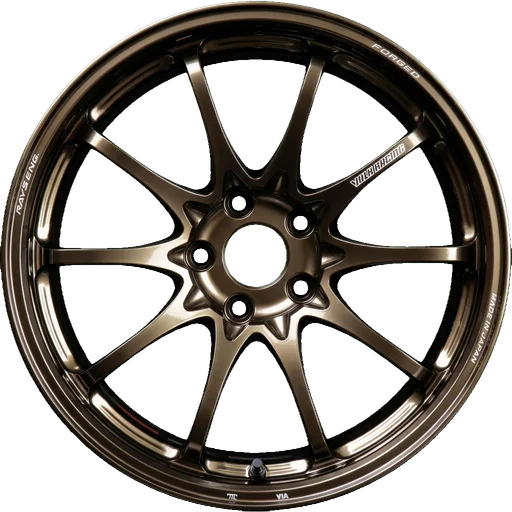
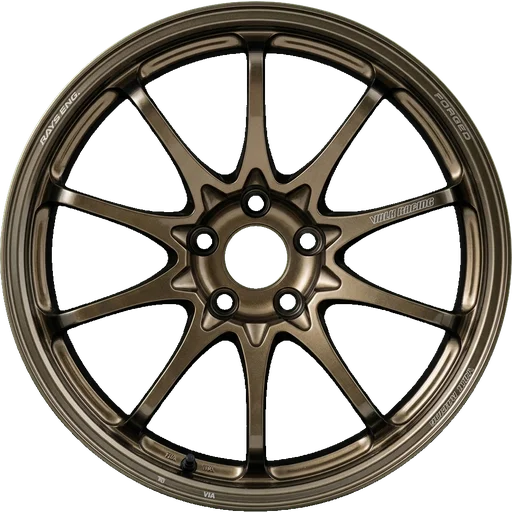
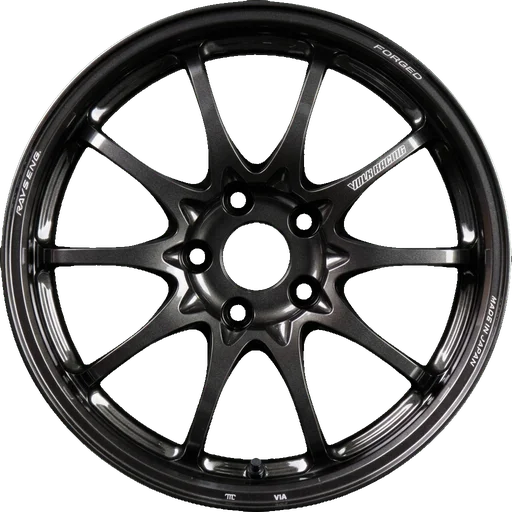
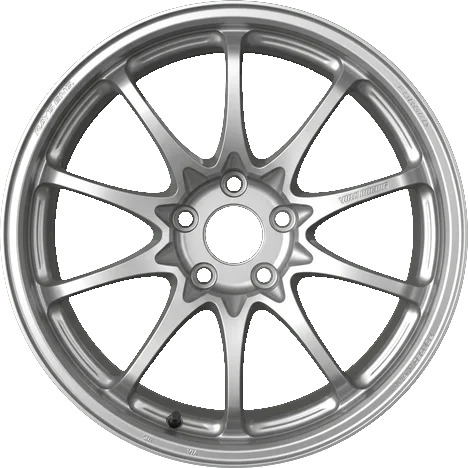
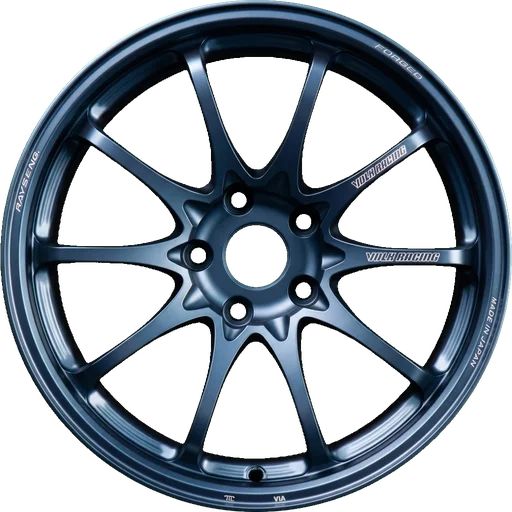
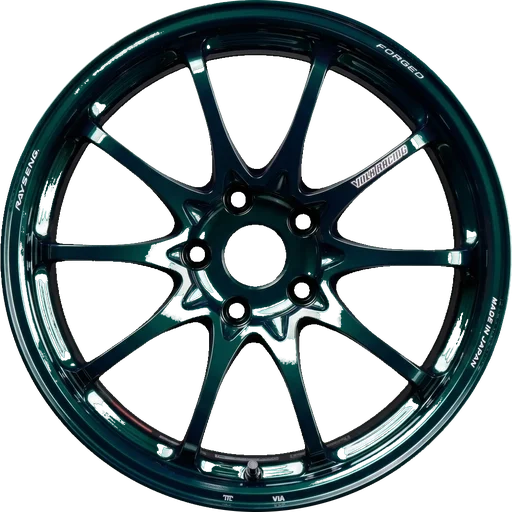
Standard Fitment
Standard Fitment Simulate
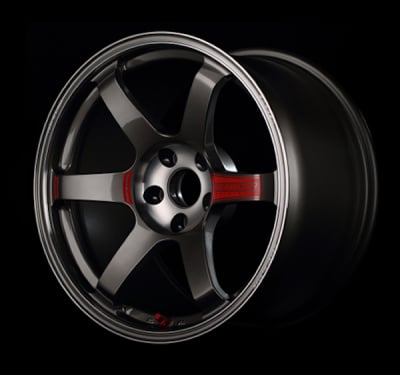
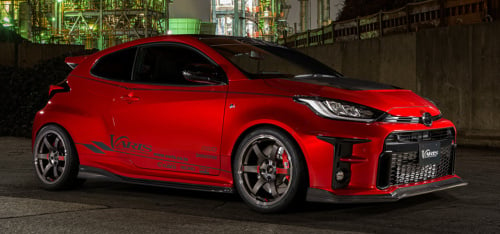
RAYS VOLK RACINGTE37 Saga SL Wheels · Pressed Graphite
From USD $ 419.35 to 920.25 ea
Standard Fitment
Standard Fitment Simulate

In stock
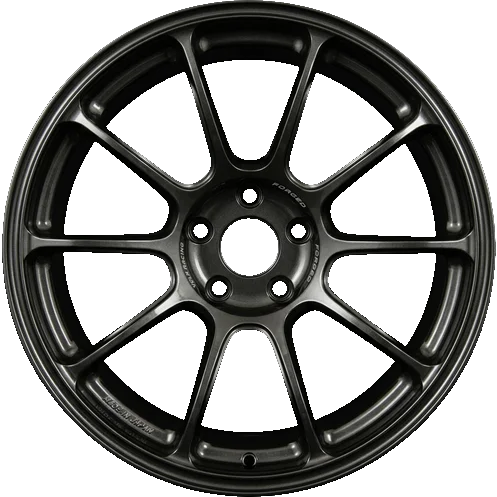
Standard Fitment
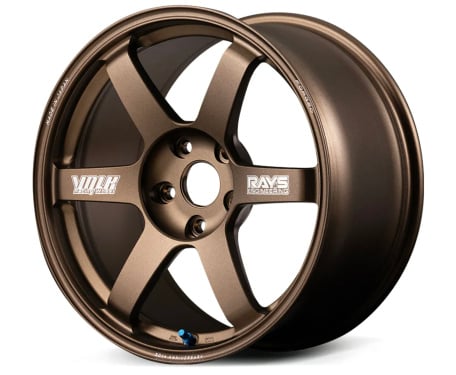
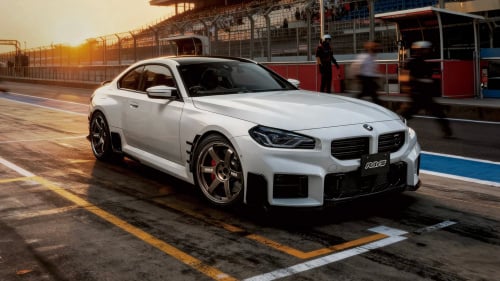
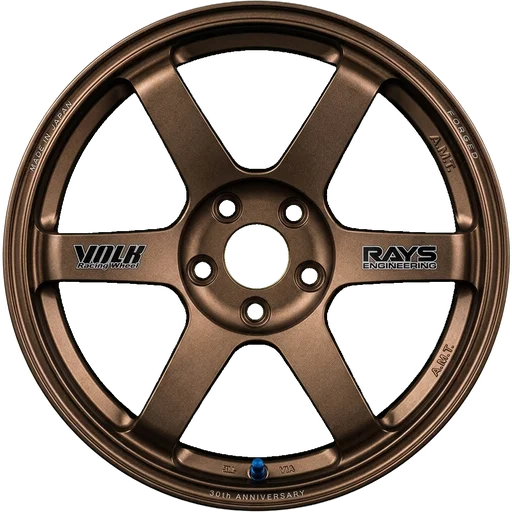
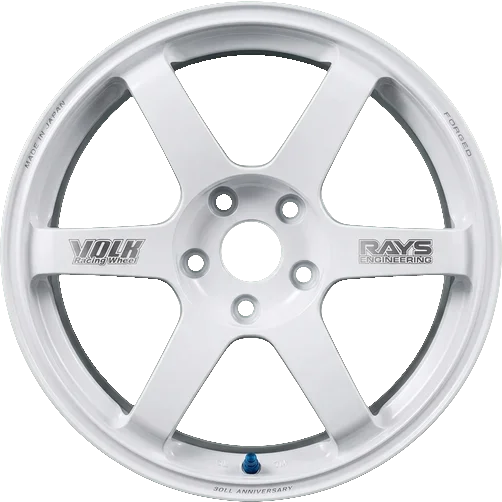
Standard Fitment
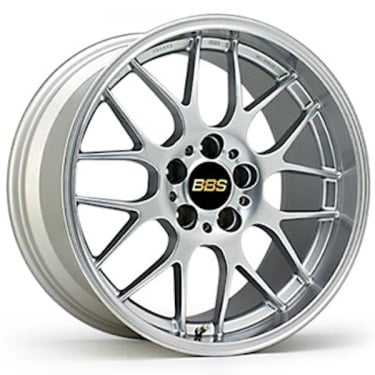
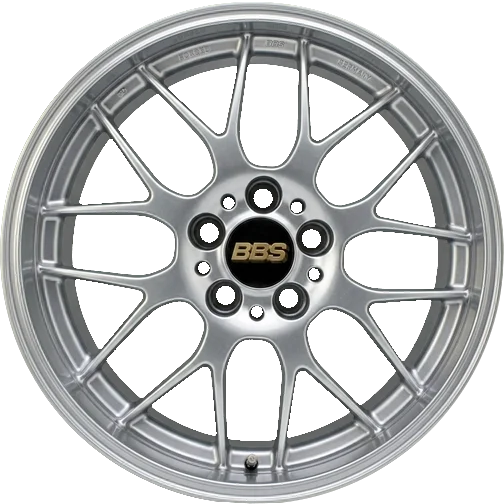
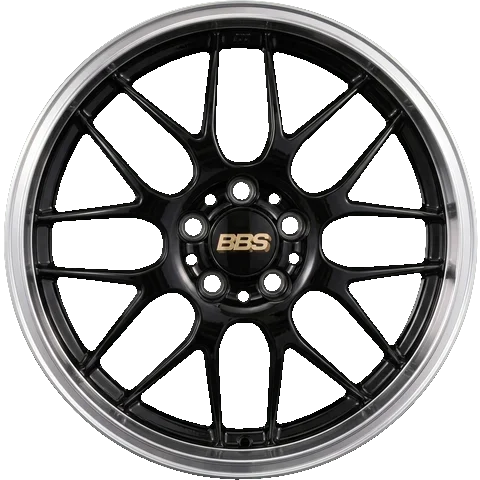
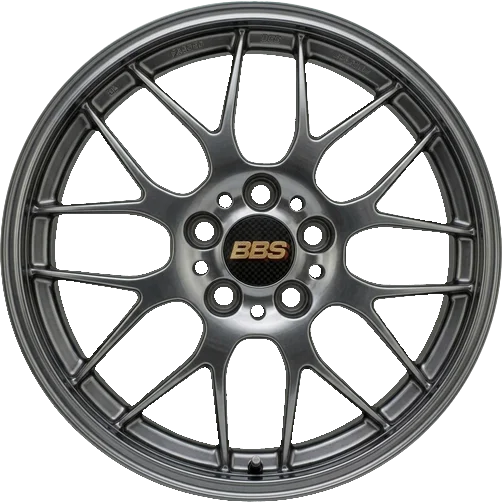
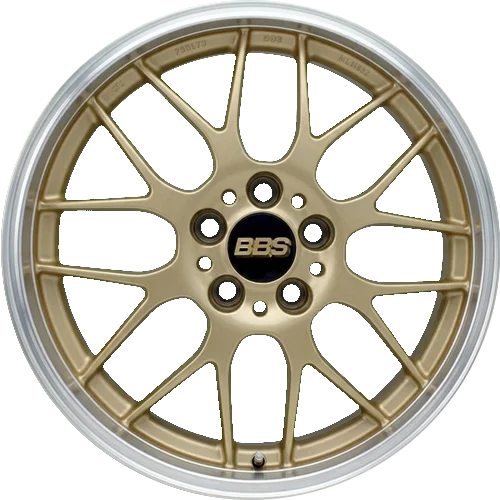
Standard Fitment
Standard Fitment Simulate 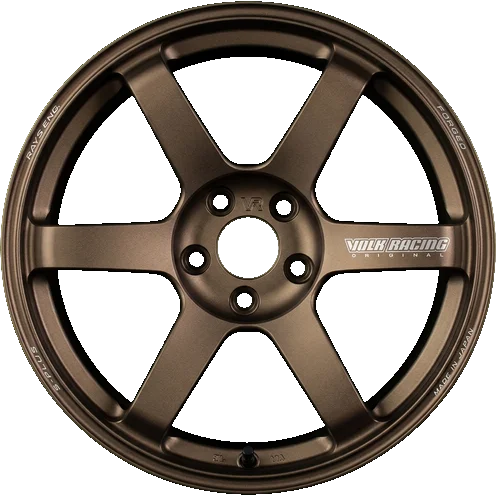
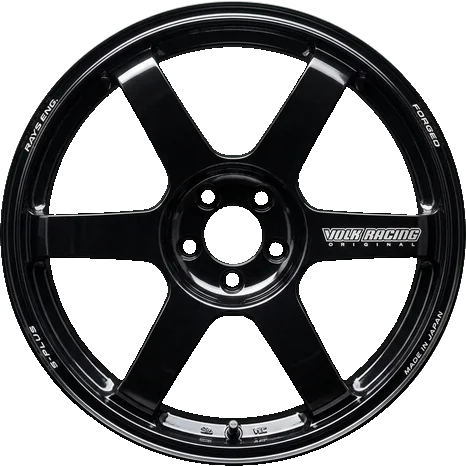
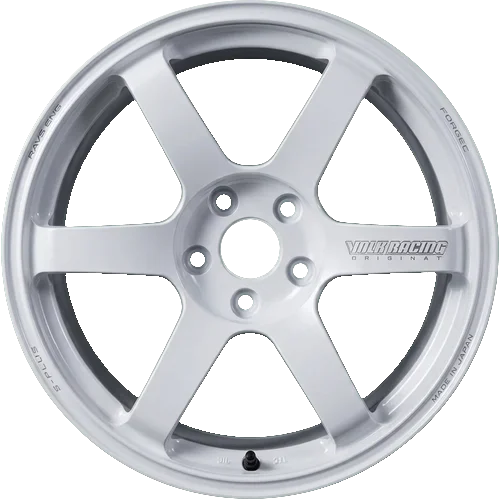
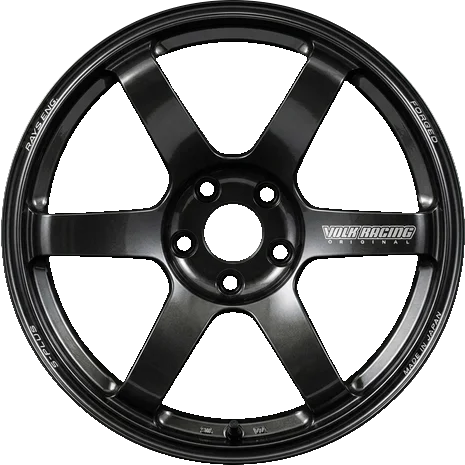
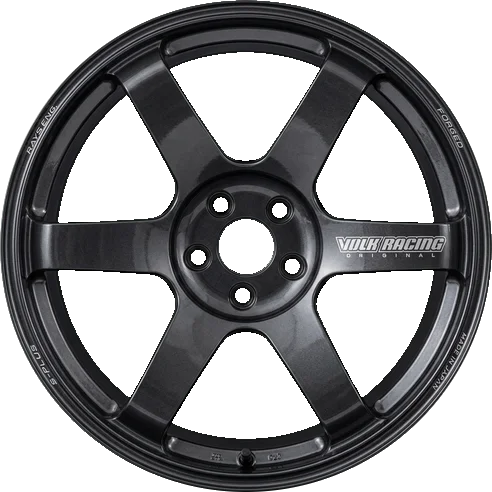
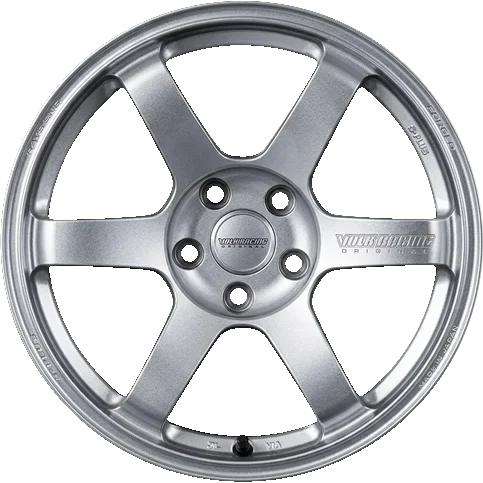
 7 more colors 5 more colors
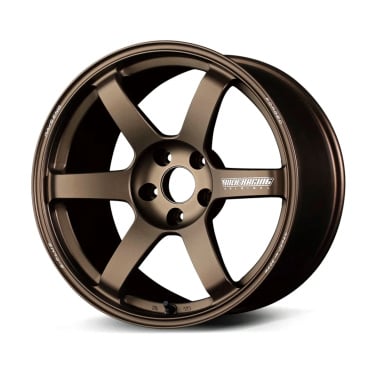
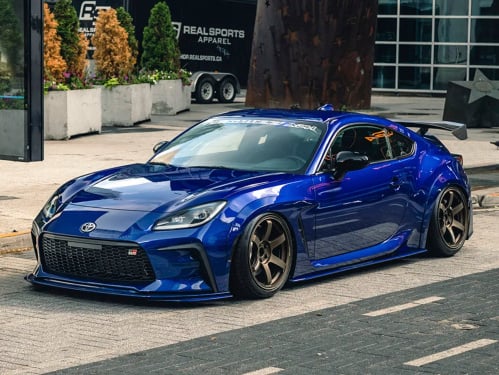
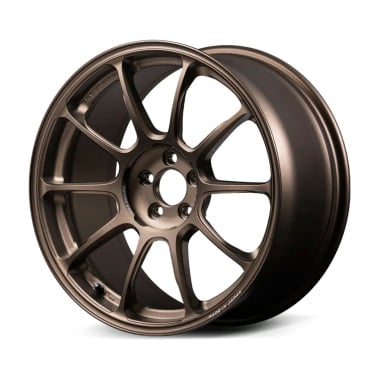
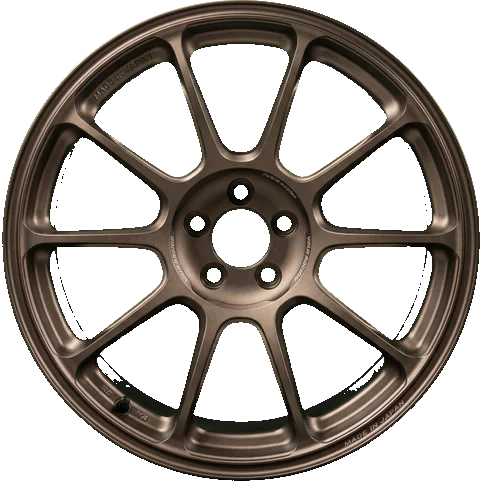
RAYS VOLK RACINGTE37 Saga S-Plus · Bronze
7 more colors 5 more colors From USD $ 378.58 to 978.49 ea
Standard Fitment
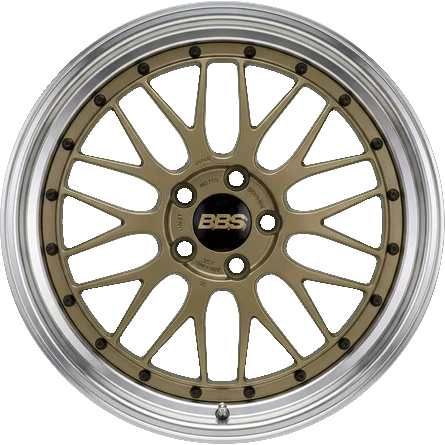
Standard Fitment
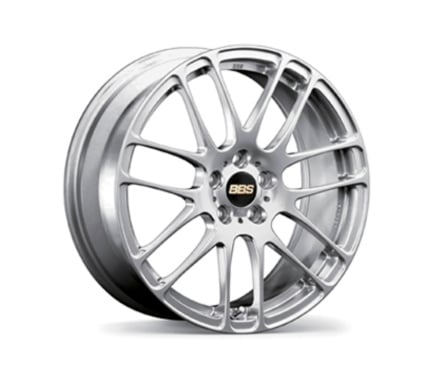
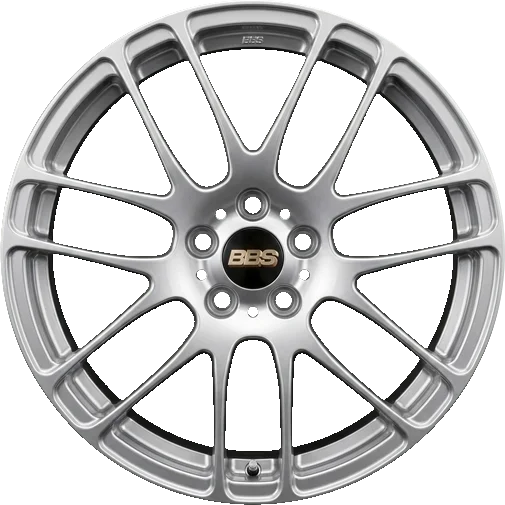
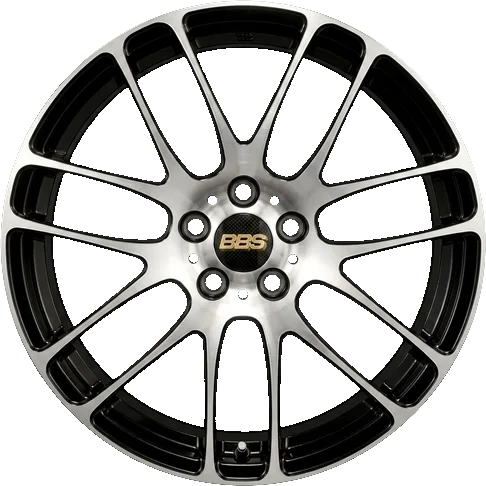
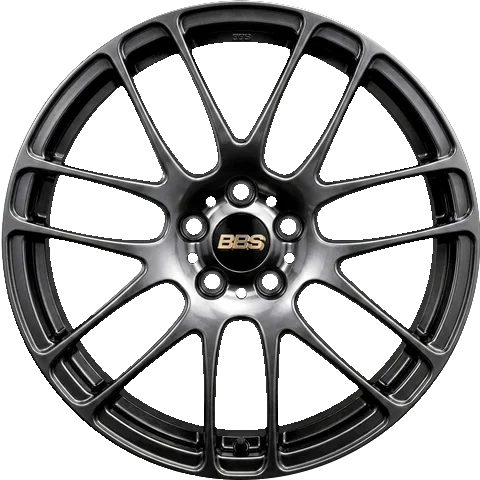
Standard Fitment
Standard Fitment
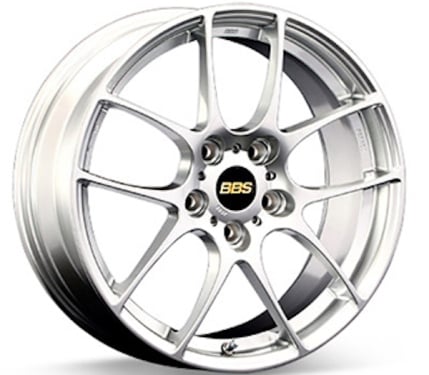
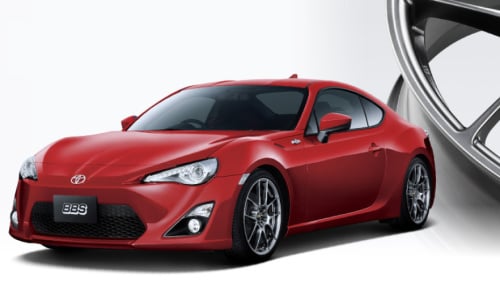
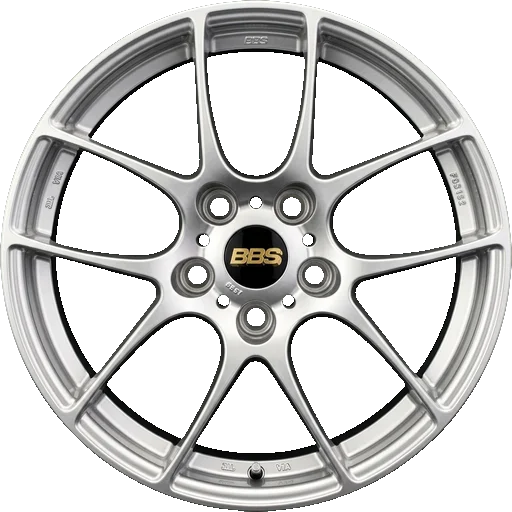
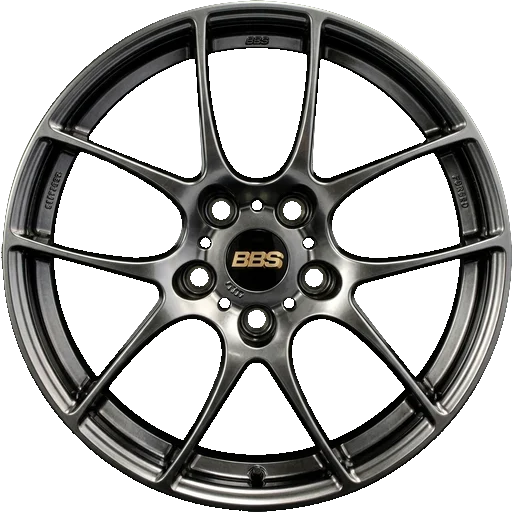
Standard Fitment
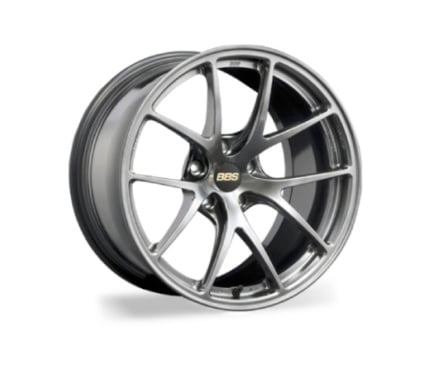
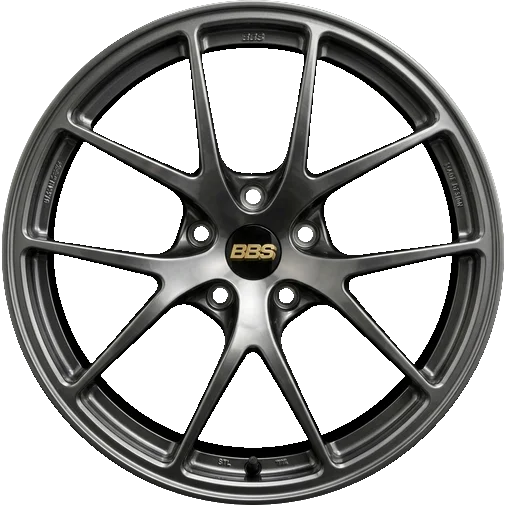
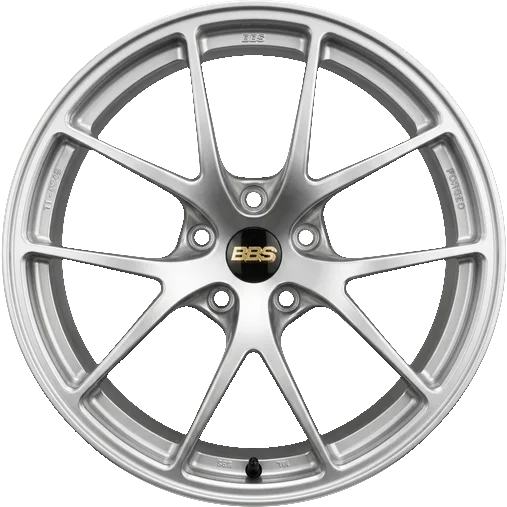
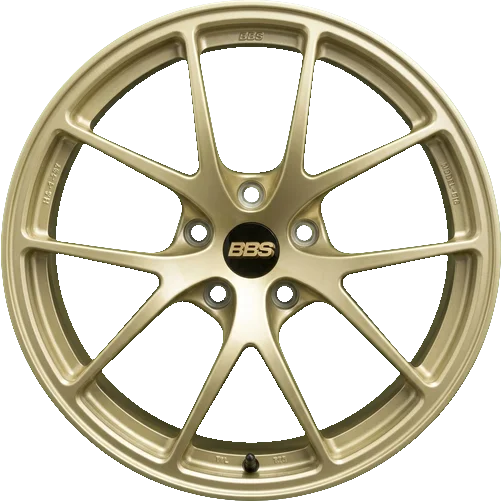
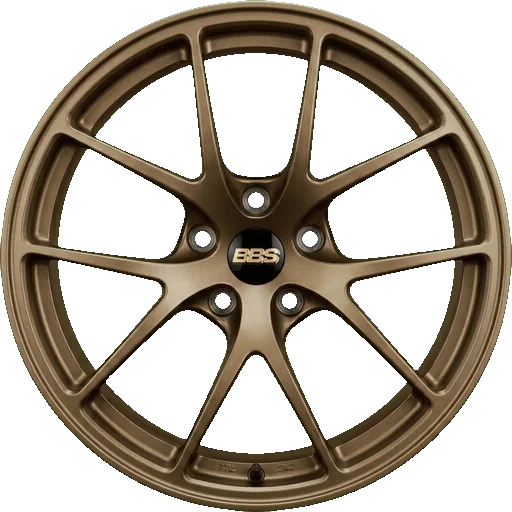
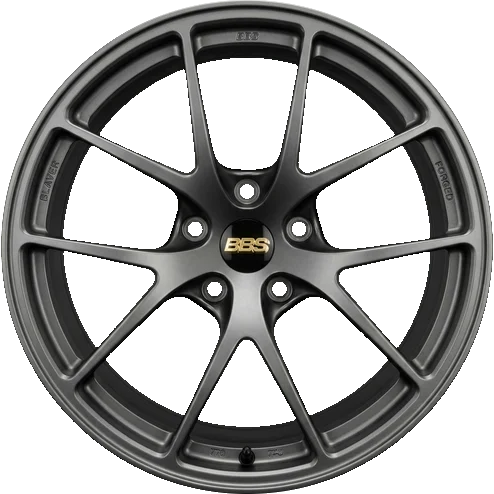
Standard Fitment
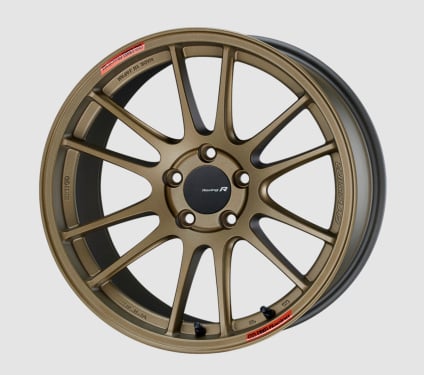
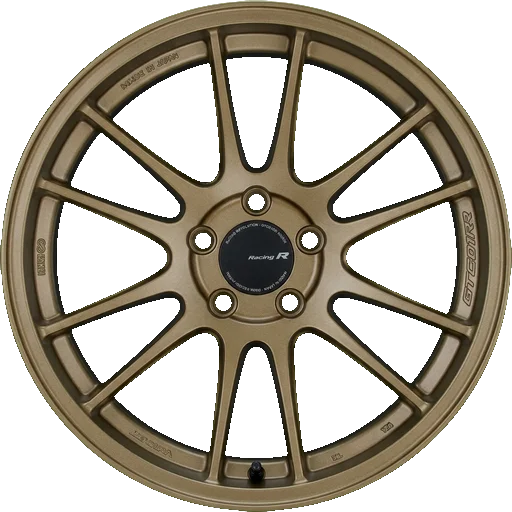
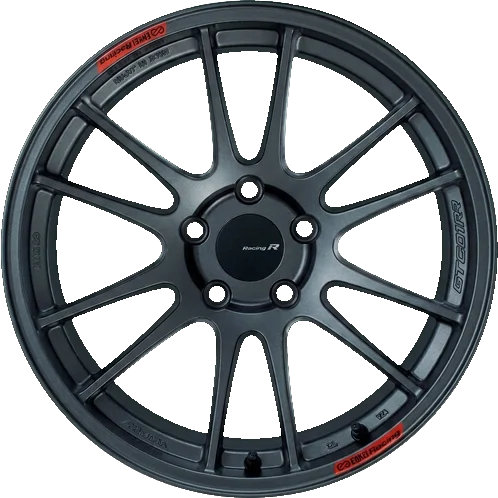
Standard Fitment
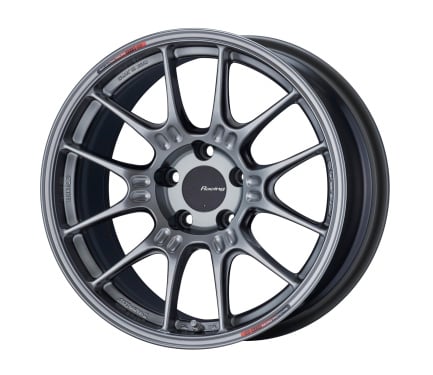
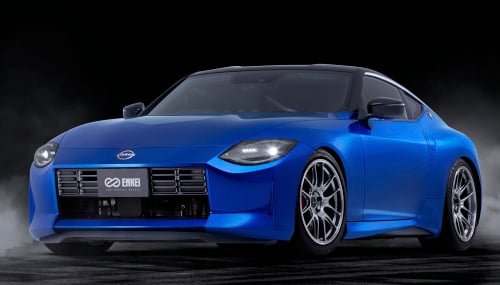
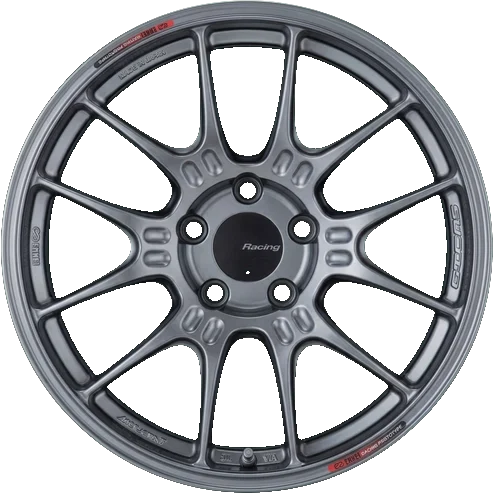
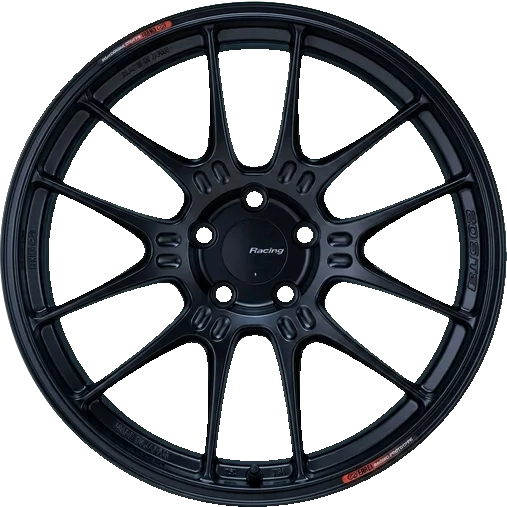
Standard Fitment
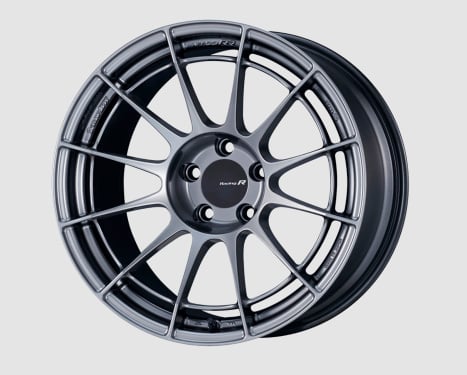
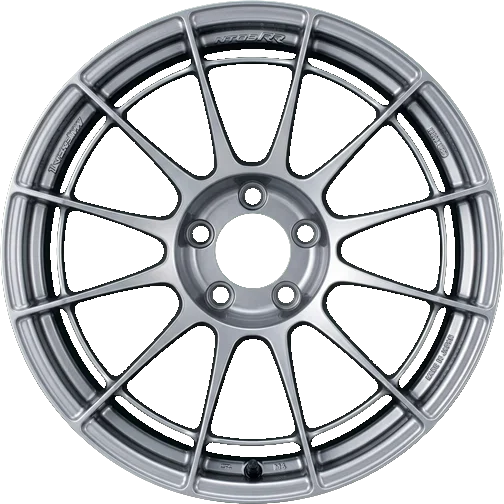
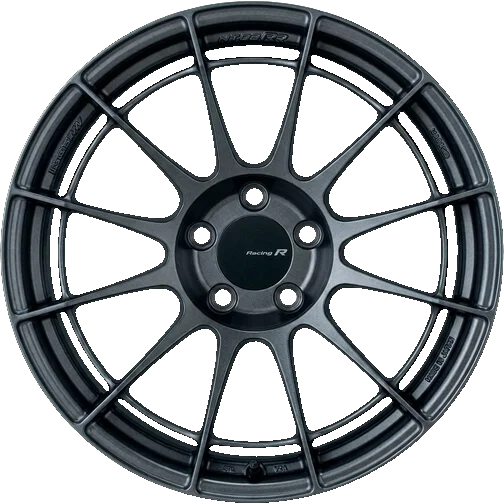
Standard Fitment
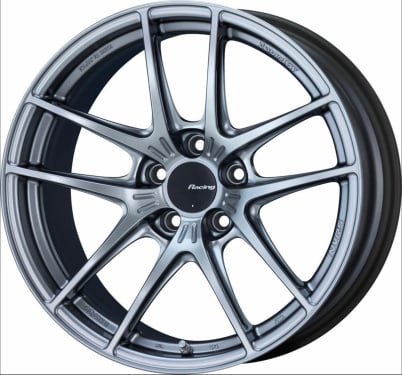
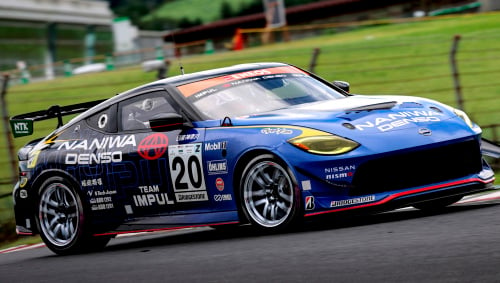
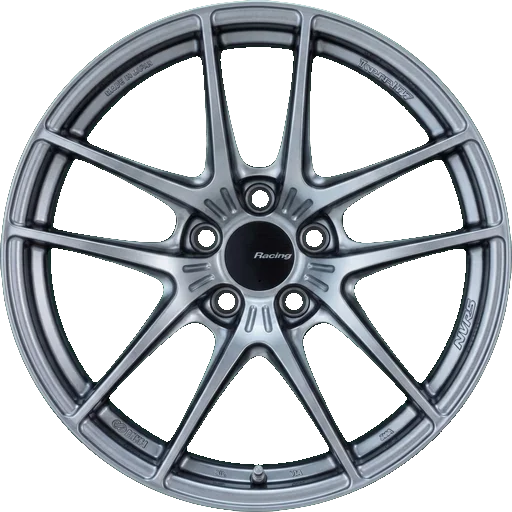
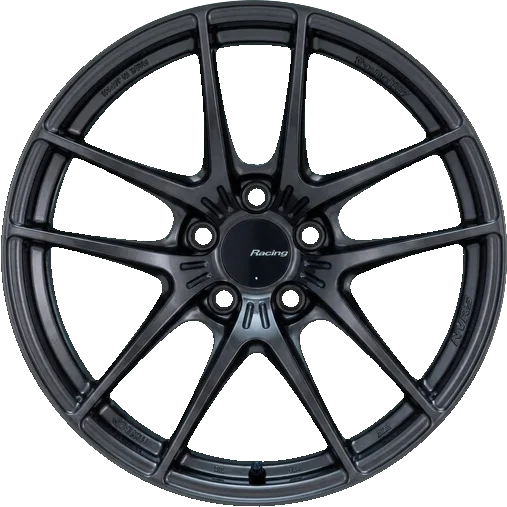
Wheels Buying Guide
The measurements that decide fit
- Diameter and width, in inches, written as 18x9.5. A larger diameter needs a lower-profile tyre to keep the same overall size.
- Offset, which Japanese makers call inset, in millimetres: the distance from the wheel's centreline to its mounting face. A higher positive figure (+45) sits the wheel further in; a lower one (+22) brings it out towards the arch.
- PCD (pitch circle diameter): the number of studs and the diameter of the circle they sit on, so 5x114.3 is five studs on a 114.3 mm circle. 4x100, 4x114.3, 5x100 and 5x114.3 are all common on Japanese cars, and a wheel must match exactly.
- Centre bore: the hole that centres the wheel on the hub. Aftermarket wheels often have a larger bore so they suit many cars, and hub rings fill the gap.
- Thread and seat: most Japanese cars use M12 x 1.25 or M12 x 1.5 studs, and the two do not interchange. Most aftermarket wheels take nuts with a 60° tapered seat, while Honda's original wheels use ball-seat nuts, which must not be used on a tapered-seat wheel. Wheel nuts are chosen by thread, seat and length.
Choosing a size
Start from the size your car came with and from sizes known to fit it. Width and offset together decide where the rim and tyre sit, so changing one usually means changing the other. Big brake calipers need clearance behind the spokes, so a car with a brake upgrade should be checked against the wheel's caliper clearance.
Forged, cast and Japanese standards
Forged wheels, such as the Volk Racing range from RAYS, are stronger for their weight than cast wheels and cost more; RAYS' Gram Lights are its cast range. The same measurements apply to every maker's wheels, from Work to SSR.
Alloy wheels for passenger cars sold in Japan must meet JWL, the standard set by the Ministry of Land, Infrastructure, Transport and Tourism, and carry its mark; makers certify their own wheels to it. A VIA mark shows the wheel has also passed testing by the Japan Vehicle Inspection Association, a third party.
Spacers and fitting
Spacers move a wheel outwards. Thin spacers fit over the studs and reduce how much thread the nut engages, so they may need longer studs or bolts; thicker ones bolt to the hub and carry studs of their own. Tighten nuts to the car maker's torque with a torque wrench and check them again after the first drive. Rules on wheel and tyre size, and on tyres that stand out past the bodywork, differ between countries.