New, Used & OEM Parts Search
Can't find what you are looking for? Contact Us and we're happy to help.
Your trusted source of JDM parts shipped from Japan
JDM parts shipped direct from Japan


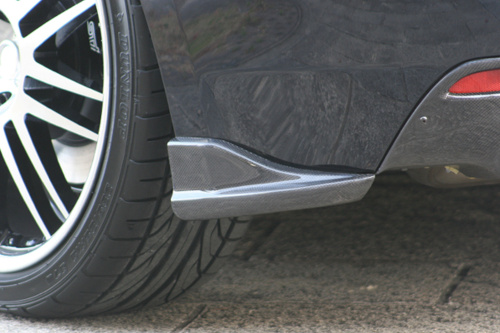
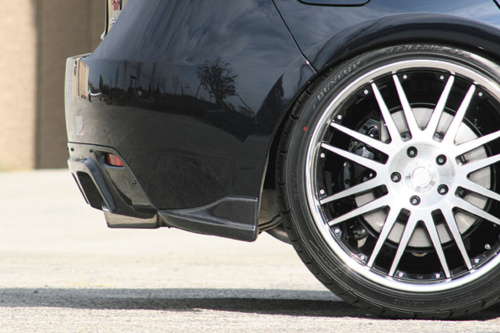
Aero body kits, wings, canards, spoilers and other exterior parts will customise the look of your Japanese vehicle and can also improve performance on the track.


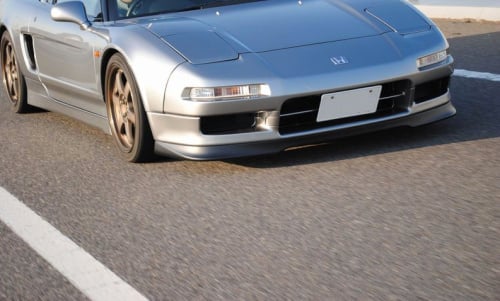

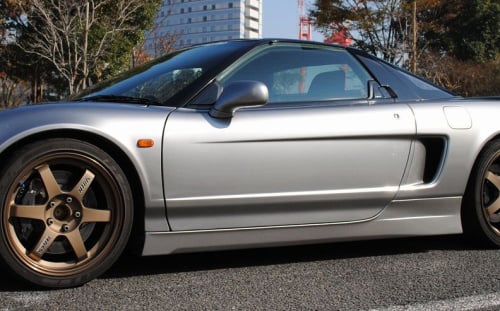

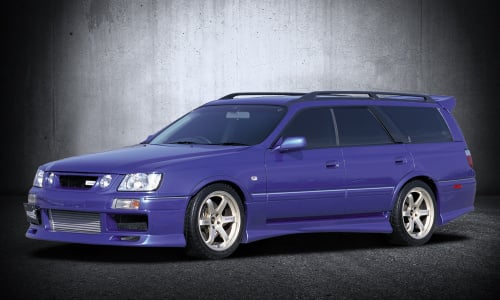

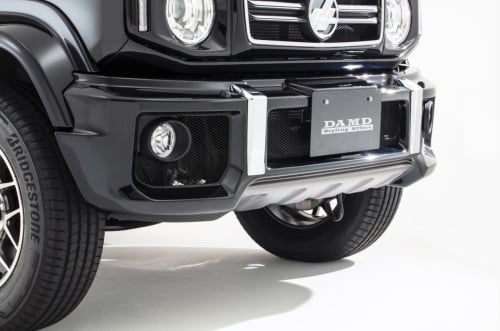


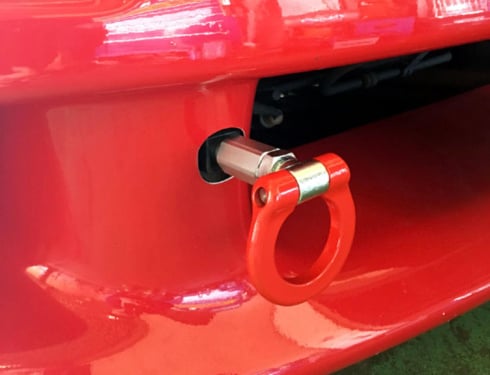
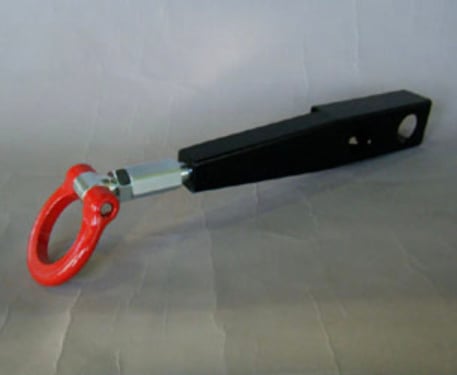
Body parts are made for one chassis, and often for one version of it: a bumper for an early car may not fit the facelifted one, which Japanese makers and owners call zenki (early) and kouki (late). Use the car selector to narrow the range to parts made for your car, and check each listing against the model code and year as well. Wings, canards, tow straps and emblems are among the few parts sold to fit many cars.
A full aero kit is designed as one piece of work, so the front bumper, side skirts and rear parts line up with each other. Mixing makers' pieces can leave gaps where they meet.
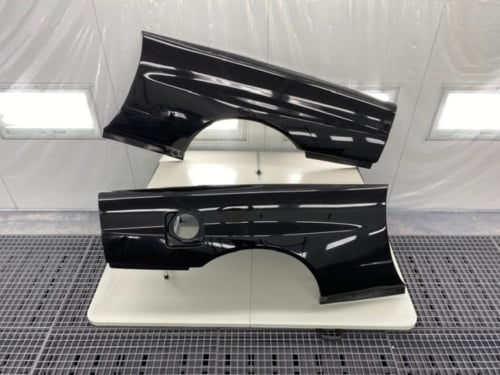
Most aero parts arrive unpainted. Test-fit every piece before it goes to the painter, since trimming after paint damages the finish, and budget for a body shop to fit, prime and paint. Lightweight bonnets in FRP or carbon should be secured with bonnet pins as well as the original catch where the maker recommends it.
Downforce has to be balanced front to rear. A large rear wing without matching front aero, such as a front lip, canards or a flat underpanel and diffuser, adds grip at the rear only and leaves the car understeering at speed. A wing's mounts must carry its load too: a GT wing on a thin boot lid needs reinforcing or uprights mounted to the chassis. Rules on wings, canards and anything that protrudes from the bodywork differ between countries, so check them before fitting.