New, Used & OEM Parts Search
Can't find what you are looking for? Contact Us and we're happy to help.
Your trusted source of JDM parts shipped from Japan
JDM parts shipped direct from Japan

Displaying 1 to 5 new parts of 5
1 to 5 of 5
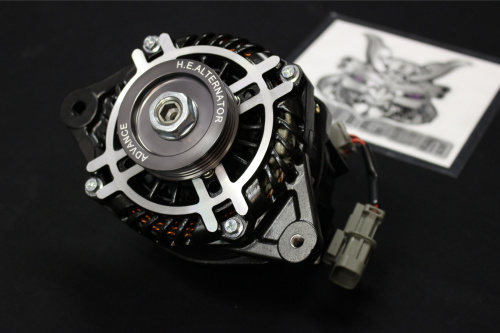
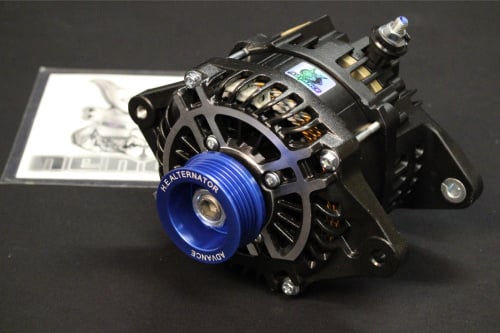
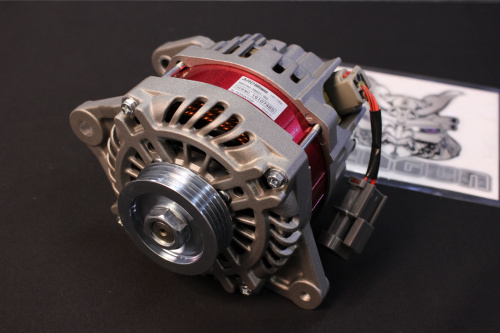
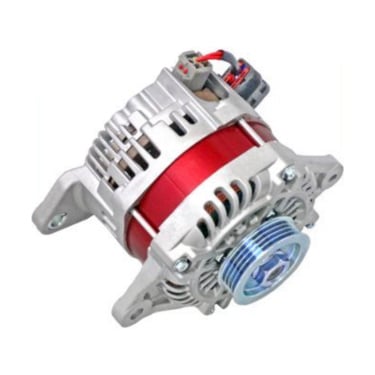
A standard engine on the road runs well on the plugs, coils and leads its maker specifies, renewed on schedule. Ignition upgrades earn their place as cylinder pressure rises with boost or compression. Denser charge makes the spark harder to jump the gap, so a weak coil, a worn lead or too wide a gap shows up as a misfire at full load and high revs, often called spark blow-out, while the engine idles perfectly.
Plugs, coils and leads are made for particular engines. Choose your car with the car selector to see what is listed for it, or match the part number of the plug the engine already takes.
Heat range describes how quickly a plug passes heat from its tip into the cylinder head. On spark plugs from NGK and Denso, a higher number is a colder plug; some other makers number the other way, so never compare numbers across brands. A colder plug keeps its tip cooler under sustained load, which is why tuned turbo engines usually run colder plugs than standard. Too cold a plug for the use fouls in traffic. Your tuner should choose the step.
Coil packs sit on top of each plug on direct-ignition engines and are the first thing to check if a misfire appears only under boost. Engines with a distributor or remote coils use plug leads, which age: cracked boots and worn insulation leak spark to earth, often in damp weather.
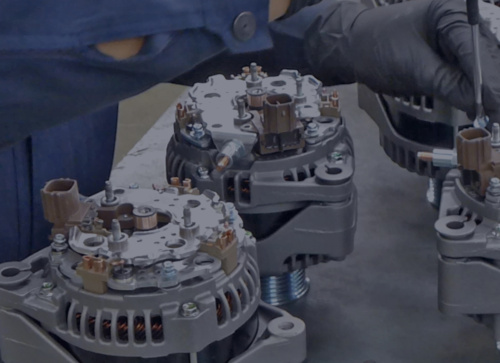
Alternators are rated by output in amps. Extra electrical load such as fans, pumps and lights needs an alternator that keeps up with it. Earthing kits add earth cables between the engine, body and battery, and are worth looking at on an older car whose factory earth straps have corroded. A relocated battery needs a secure mount from the battery parts range, properly fused cabling, and fitting by someone who knows automotive wiring.
