New, Used & OEM Parts Search
Can't find what you are looking for? Contact Us and we're happy to help.
Your trusted source of JDM parts shipped from Japan
JDM parts shipped direct from Japan

Displaying 1 to 24 new parts of 31
1 to 24 of 31

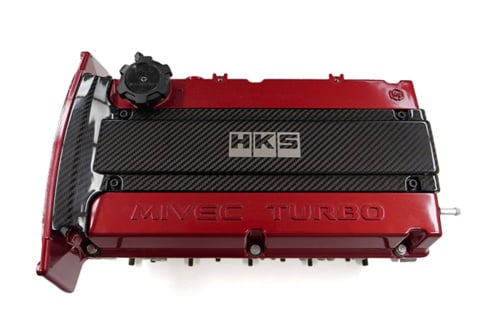


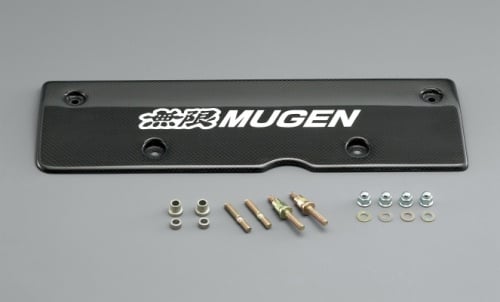








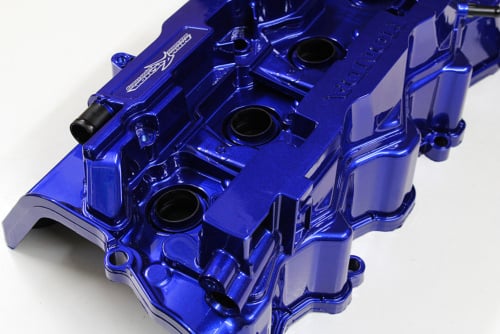

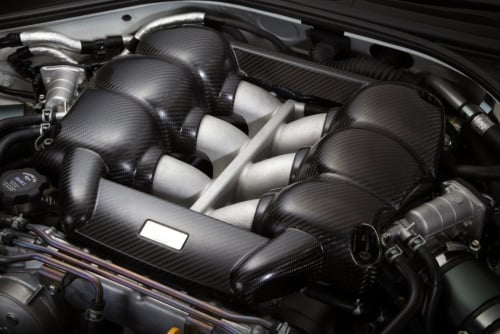


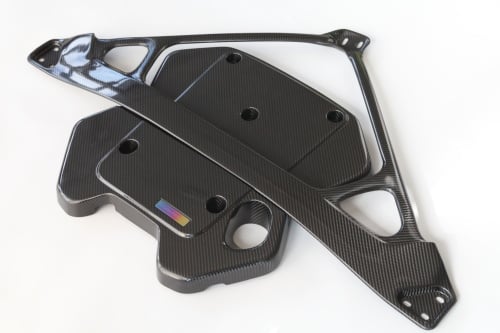




Internal engine parts are chosen as a set around one target: the power, the rev limit, the fuel and how the car will be driven. A road car that sees the occasional track day wants different clearances, cams and compression to a drag or time-attack engine. If the engine is coming apart anyway, that is the time for pistons, rods and crank, with the bearings, rings, gaskets and studs that go with them.
Most parts here are made for one engine code, so choose your car with the car selector to see the parts listed for it. HKS, Tomei and Toda make internal parts for many Japanese engines, and Nismo, TRD and Mugen for their own makers' engines.
Forged pistons are mostly made in one of two aluminium alloys. 4032 contains more silicon, expands less and runs a tighter piston-to-wall clearance, so a cold engine is quieter. 2618 expands roughly 15% more, needs a larger clearance and copes better with high cylinder pressure, which is why it is the usual choice for high boost. The clearance is the piston maker's figure, measured in the bore by the machinist.
Stroker kits lengthen the stroke with a crankshaft, connecting rods and pistons made to work together, raising displacement and low and mid-range torque. Treat the kit as matched: mixing parts from different kits changes deck height and compression.
A cam is described by its duration, in crankshaft degrees, and its lift, in millimetres. Duration depends on where it is measured: many import cams quote it at 1 mm of lift, American cams at 0.050 in (1.27 mm), and advertised duration is measured lower still. Compare cams only at the same reference. More duration and lift move power up the rev range; stiffer springs and retainers from the valvetrain range keep the valves following the cam at higher revs, and the ECU needs retuning for any cam change.
On an interference engine, a timing belt that breaks lets the pistons strike open valves. Renew belts and chains at the engine maker's interval, with the tensioner and idlers. Adjustable cam pulleys let a tuner set cam timing on the dyno. Stiffer engine mounts hold the engine still under load and pass more vibration into the cabin.
Engine internals are a job for an engine builder with the service manual's torque figures, in N·m, and the parts maker's clearances. A rebuilt engine also needs running in before it is worked hard.