New, Used & OEM Parts Search
Can't find what you are looking for? Contact Us and we're happy to help.
Your trusted source of JDM parts shipped from Japan
JDM parts shipped direct from Japan

Displaying 1 to 24 new parts of 29
1 to 24 of 29
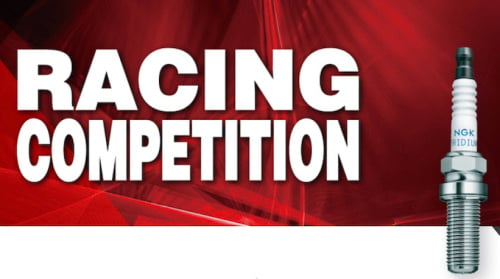


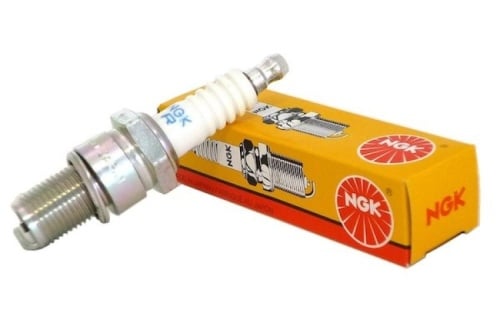
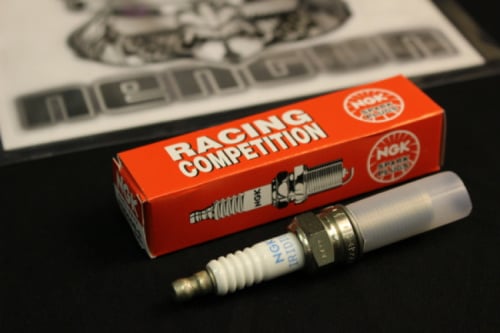
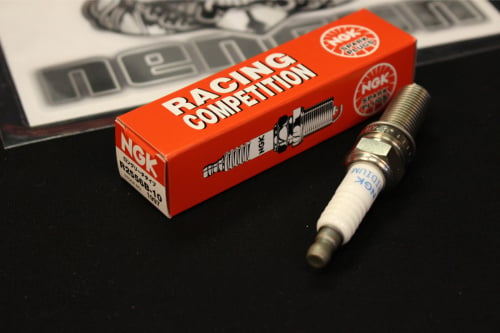

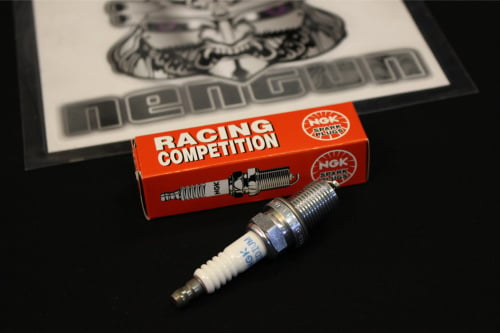


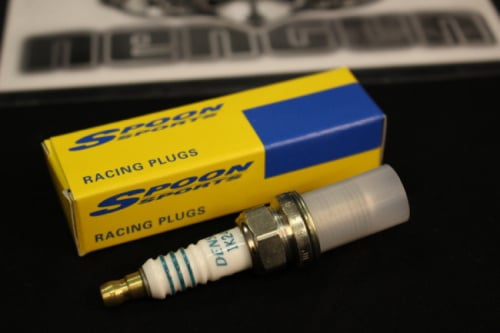



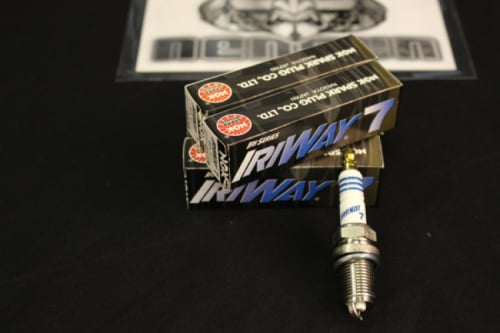


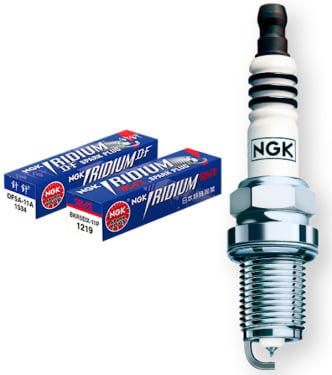
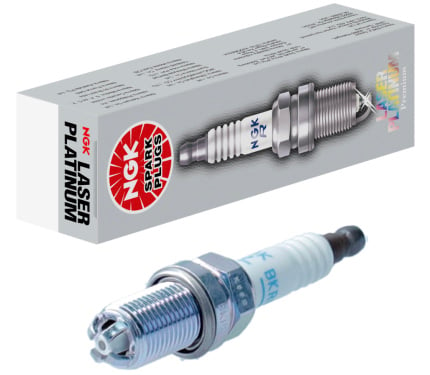

A spark plug is chosen by three things: the heat range, the thread and reach that fit the cylinder head, and the electrode type. The first two must be right; the third is a matter of service life and the engine's state of tune.
Heat range is how quickly a plug sheds heat from its firing tip. The tip has to stay above about 500 °C to burn off carbon, and below about 950 °C, where the electrode becomes hot enough to ignite the mixture by itself. A hotter plug holds heat in the tip; a colder plug passes it to the cylinder head faster.
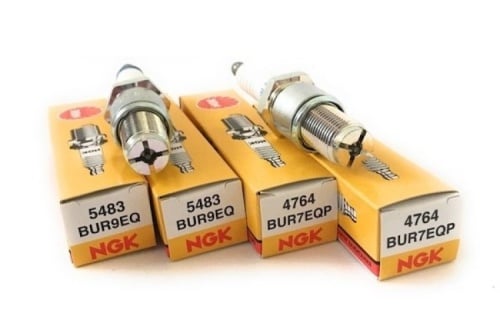
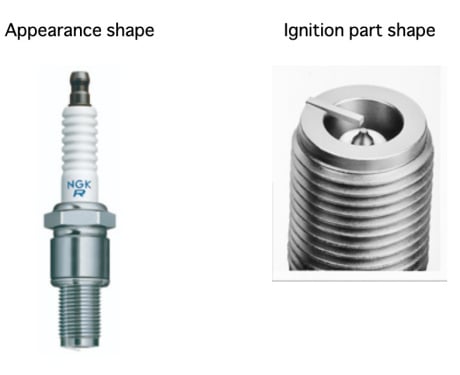
NGK and DENSO both use higher numbers for colder plugs, but on different scales: DENSO 20 matches NGK 6, DENSO 22 matches NGK 7, and DENSO 24 matches NGK 8. On NGK road plugs the heat range sits in the middle of the code (BCPR6ES is a 6); on NGK racing plugs it follows the dash, so R7437-8 is an 8. One NGK step changes tip temperature by roughly 70 to 100 °C.
A standard engine uses the factory heat range. More cylinder heat from boost, compression or long spells at high rpm calls for a colder plug, typically one step colder for every 75 to 100 hp added, and a modified engine may also need a smaller gap to avoid misfire. Too cold a plug fouls with carbon in slow traffic and on short trips.
The plug must match the head's thread diameter and reach (the length of the threaded section) exactly. Common sizes include a 14 mm thread with 19 mm reach, a 14 mm thread with 26.5 mm reach, and a 12 mm thread with 19 mm reach. Plugs with the same heat range but a different thread or reach are not interchangeable.
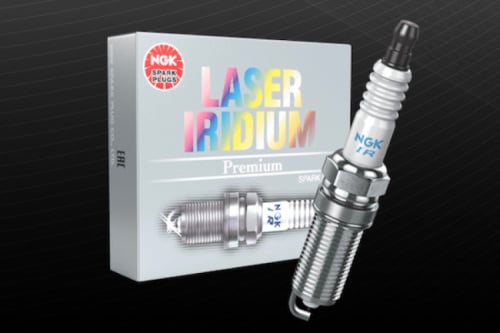
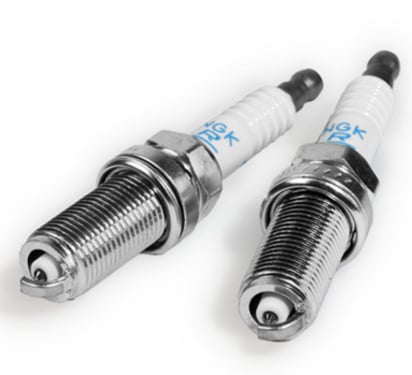
Iridium plugs such as NGK Laser Iridium use a fine, hard-wearing centre electrode and last longer than standard nickel plugs. For tuned engines, NGK's racing plugs, DENSO Iridium Racing and HKS Super Fire Racing are each made in a run of heat ranges, so the plug can be matched to the engine.
Plugs work with the rest of the ignition: tired coil packs or plug leads can cause misfires a new plug will not cure. Engines with added boost are covered under forced induction.