New, Used & OEM Parts Search
Can't find what you are looking for? Contact Us and we're happy to help.
Your trusted source of JDM parts shipped from Japan
JDM parts shipped direct from Japan


Upgraded clutch kits enable more power handling and improved power down performance.
Displaying 1 to 24 new parts of 60
1 to 24 of 60





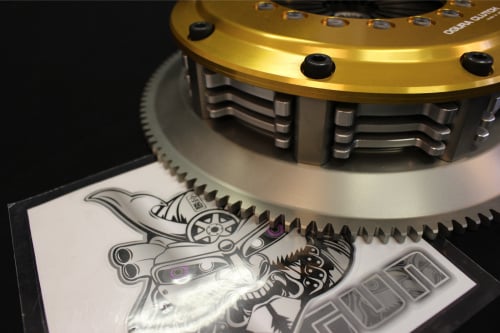

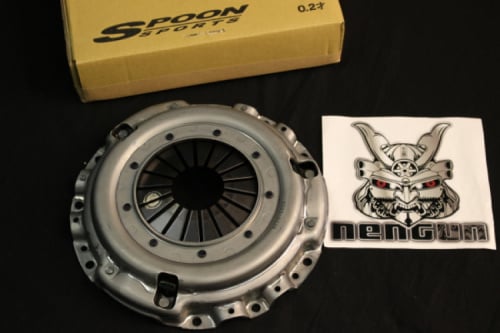


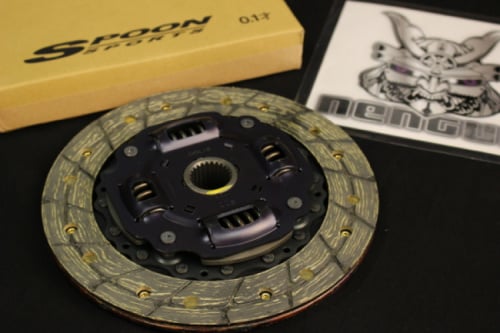
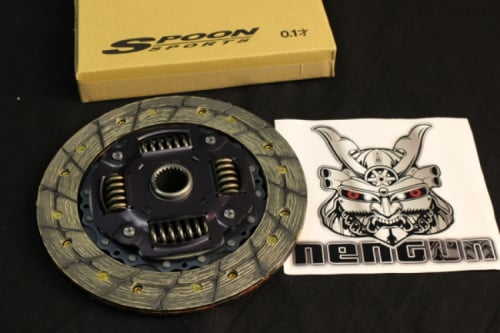


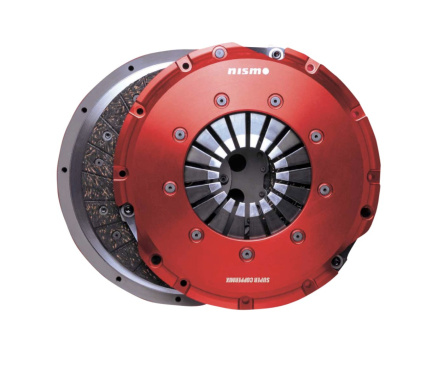


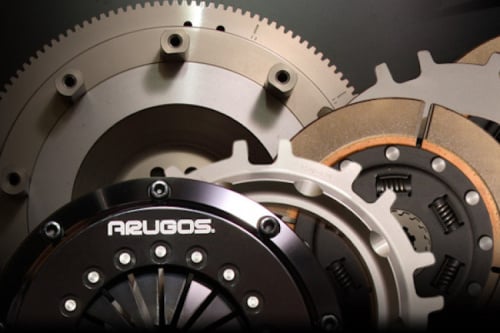

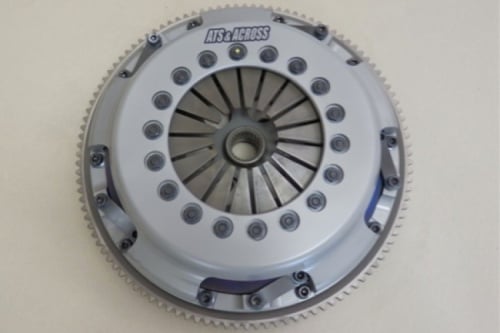

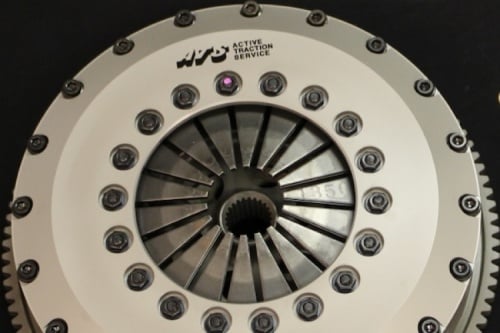


An uprated clutch is chosen by the torque it has to hold, then by how much everyday drivability you are willing to trade for it. Facing material and the number of plates decide most of that trade.
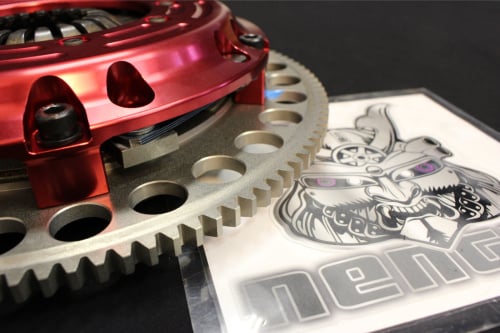
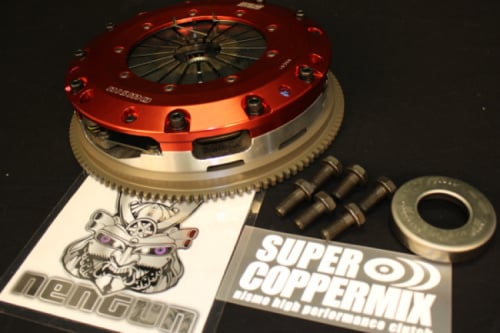
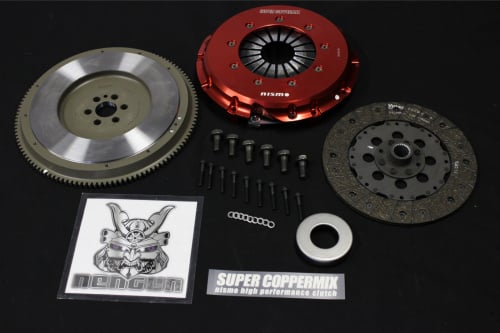
Capacity comes from four things: clamp load (how hard the pressure plate squeezes the disc), the friction of the facing, the disc diameter and the number of discs. Makers present it differently. Nismo's Super Coppermix Twin for the RB26DETT has a 1,000 kgf (9,807 N) clamp load and holds 84 kgf·m slipping and 143 kgf·m locked. ORC numbers its clutches by a reference horsepower, so a 409 is meant for around 400 hp, and some ORC kits carry a torque figure in the name, such as the 980 Nm triple-plate 1000F.
More clamp load means a heavier pedal, and Nismo's higher-clamp Competition version is not intended for general road use for that reason. Buy for the power the engine makes, with some margin, rather than the most capacity on offer.
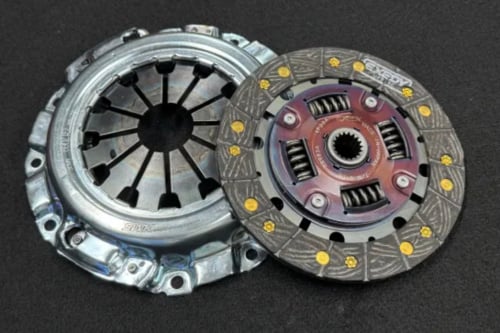
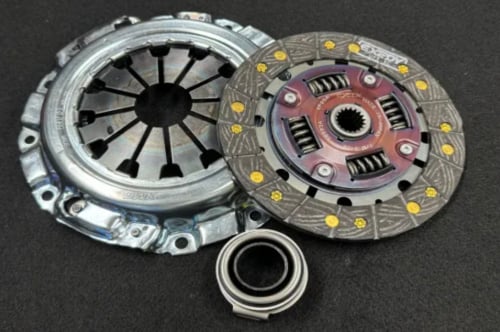
Organic (non-asbestos) facings, like Spoon's disc, are closest to a factory clutch in feel. Metal facings carry more torque for their size and take more heat. Copper-based facings sit between: Nismo's copper-mix facing has a friction coefficient of 0.38 against 0.32 for its earlier metal facing, with enough half-clutch control for road use, though long slipping starts are still to be avoided.
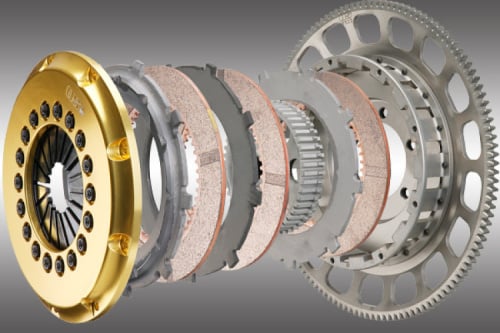
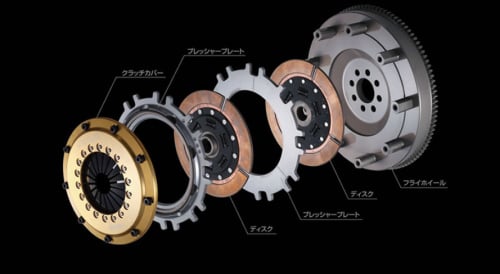
Each extra disc adds friction surfaces, so capacity rises without a bigger diameter. A smaller disc lets the engine respond faster but transmits less torque; a larger disc carries more torque but has more inertia and disengages less cleanly. Multi-plate clutches use small discs and add plates for capacity. Expect more gearbox rattle: on Nismo's twin-plate it is most noticeable at idle and around 2,000 rpm, and it is not a fault.
Some cars use a pull-type clutch and some a push-type. ORC clutches are all push-type and include a pull-to-push conversion where needed. Many kits are matched to a lightweight flywheel, as Nismo's twin is to a chromoly one. A heavier clamp load works the hydraulics harder, so look at clutch lines and master and slave cylinders at the same time, and plan any LSD together with the clutch. The drivetrain guide covers the rest.