New, Used & OEM Parts Search
Can't find what you are looking for? Contact Us and we're happy to help.
Your trusted source of JDM parts shipped from Japan
JDM parts shipped direct from Japan

Displaying 1 to 7 new parts of 7
1 to 7 of 7


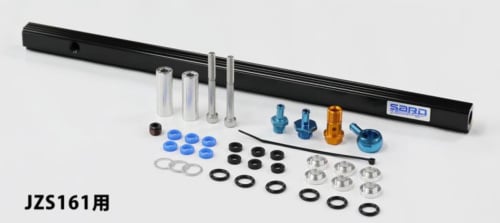
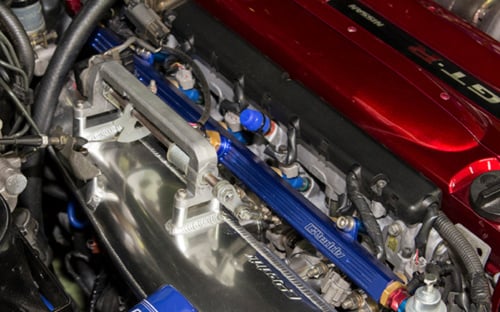




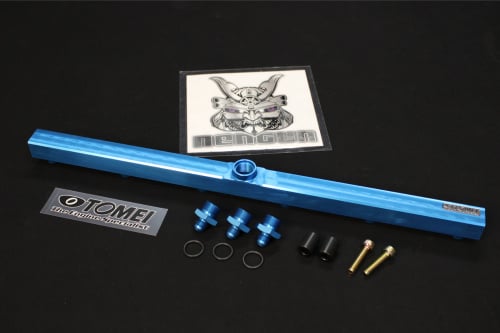
Engine oil is graded under SAE J300. In 5W-30, the W number rates the oil's cold-start cranking and pumping, and the second number is its viscosity band at 100 °C. The two are tested separately and are not on the same scale. Use the grade the engine maker gives for your climate, or the one your engine builder specifies for a rebuilt or circuit engine.
Oil supply matters most on track. Long corners and hard braking throw oil away from the pickup, and oil pans and baffles keep it where the pump can draw it. Uprated oil pumps and rotor kits, from makers such as Tomei, Toda and Nismo, are made for engines that are revved hard for long periods. Magnetic oil drain bolts collect fine steel particles at each change; fit a new sealing washer every time.
Catch tanks separate oil mist from the crankcase ventilation before it reaches the intake, where it coats the intercooler and lowers the effective octane. Road cars have been built with closed crankcase ventilation since the 1960s, so on a road car the tank should return its vapour to the intake rather than vent to air. Emissions rules vary by country.
Injectors are rated in cc/min at a stated fuel pressure, most often 3 bar (43.5 psi). Flow rises with pressure, but doubling the pressure does not double the flow, so compare injectors at the same test pressure. Connector, length and spray pattern must also suit the engine, and the ECU needs the new injector's data to fuel correctly.
Fuel pumps are rated in litres per hour (L/h) at a stated pressure and voltage, usually 13.5 V. Delivery falls as pressure rises, and on a turbo engine fuel pressure rises with boost, so read the flow at the pressure the engine actually runs. E85's chemically correct air-fuel ratio is about 9.8:1 against petrol's 14.7:1, so it needs around half as much fuel again by mass for the same air; the pump, injectors and fuel pressure regulators must be sized and rated for it.
Oil and fuel lines on performance cars are commonly sized in AN. The dash number is the tube's outside diameter in sixteenths of an inch, so -6 AN is 3/8 in, and AN fittings seal on a 37° flare that does not mate with 45° flare fittings.
Many parts here are model-specific. Choose your car with the car selector to see what is listed for it. Fuel system work carries a fire risk and is best done by a workshop.
