New, Used & OEM Parts Search
Can't find what you are looking for? Contact Us and we're happy to help.
Your trusted source of JDM parts shipped from Japan
JDM parts shipped direct from Japan

Displaying 1 to 9 new parts of 9
1 to 9 of 9
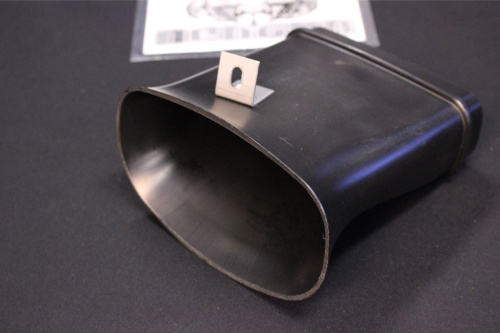

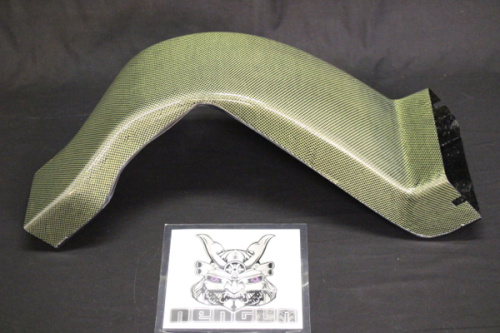

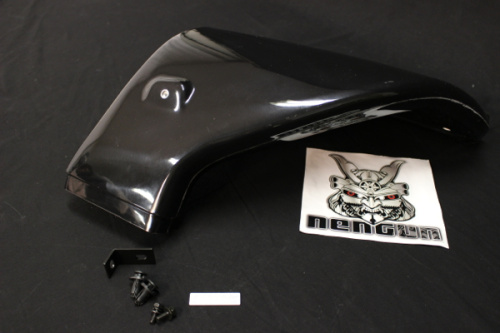

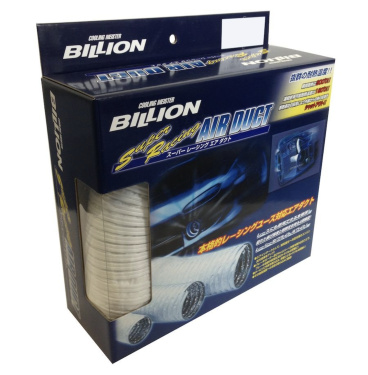
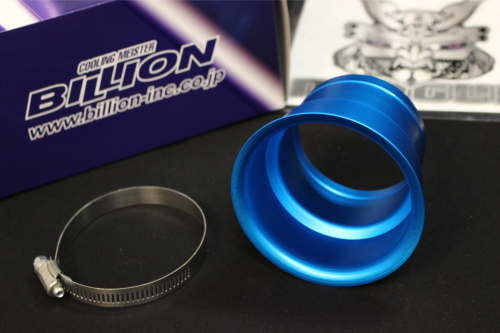
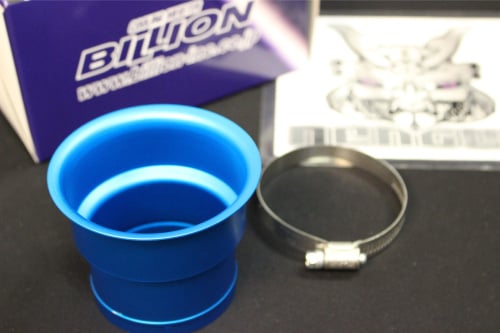
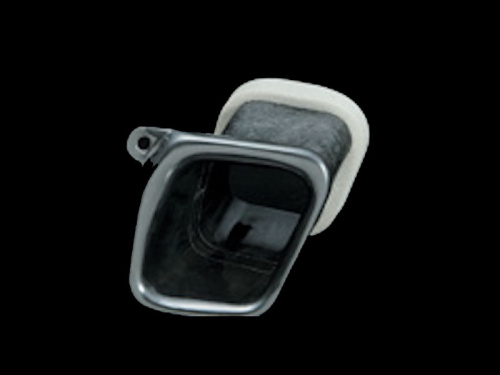
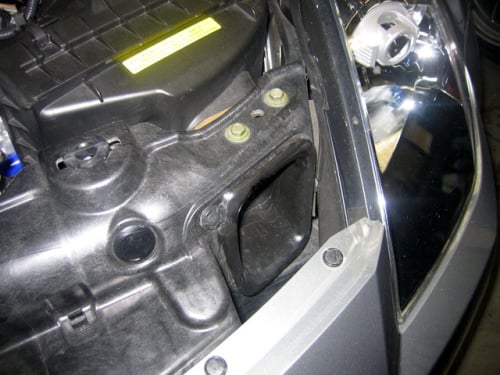

Before changing anything ahead of the throttle, find out how the ECU measures air. Some engines use an air flow meter in the intake pipe; others read manifold pressure. A hot-wire air flow meter effectively reads air speed and the ECU converts that into mass using the housing's fixed diameter. An intake that keeps the factory meter in a housing of the same size needs no retune; a larger housing or a different meter does. Kits made for a specific car keep the meter where the factory put it, which is the main reason to choose one over a universal filter.
Choose your car with the car selector to see the intakes listed for it. HKS, GReddy, APEXi, Blitz and ARC all make intakes and filters for many Japanese cars.
Cooler air is denser, so intake temperature matters as much as filter flow. A pod's neck is sized in millimetres and must match the outside diameter of the pipe it fits. Service filters as their maker instructs, and buy the maker's own replacement filters for its kits, since shapes and flanges differ between makers.
The intake runs from the filter to the turbo's compressor inlet, and its diameter and bends matter more as boost rises. Intake piping comes in aluminium, which holds its shape, and silicone or rubber, which absorbs engine movement; either needs secure clamps, since a pipe that slips off downstream of the air flow meter lets in air the ECU never counted.
Surge tanks and larger or individual throttle systems belong to engines whose other parts already flow more, such as big-turbo builds and high-revving naturally aspirated engines. They need an ECU tune and are fitted as part of a planned build rather than as a first upgrade.
