New, Used & OEM Parts Search
Can't find what you are looking for? Contact Us and we're happy to help.
Your trusted source of JDM parts shipped from Japan
JDM parts shipped direct from Japan

Displaying 1 to 24 new parts of 166
1 to 24 of 166


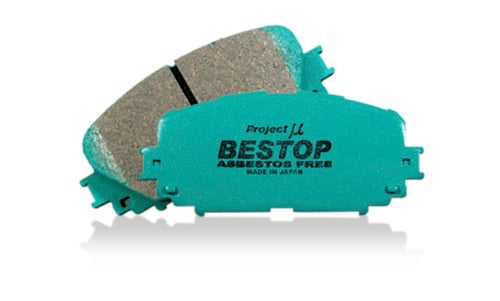

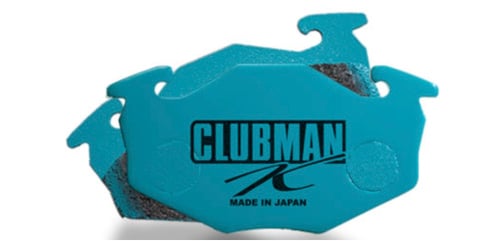

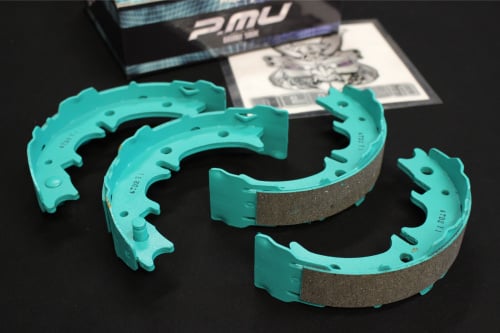

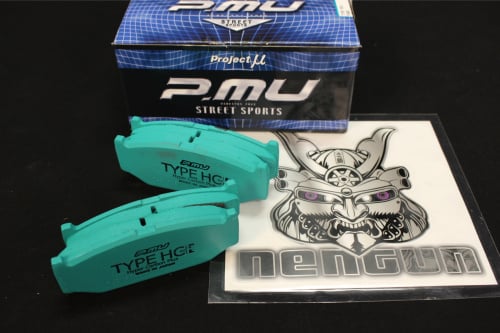


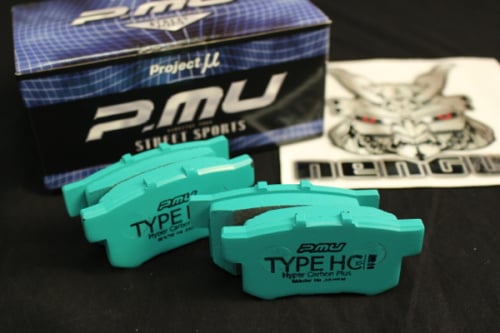


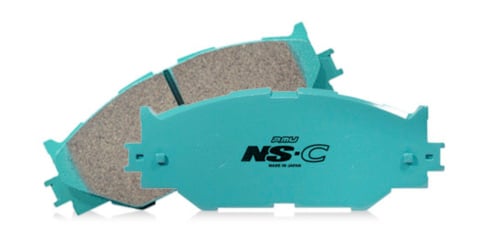

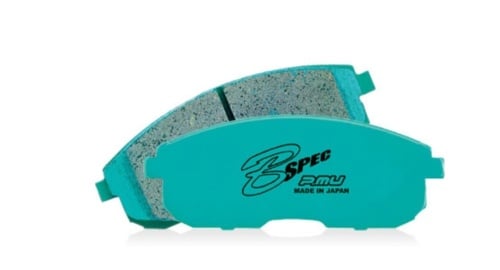

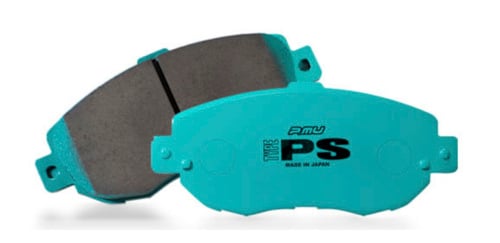
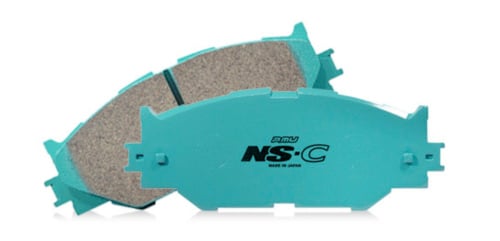
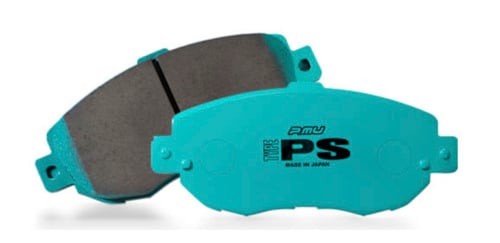
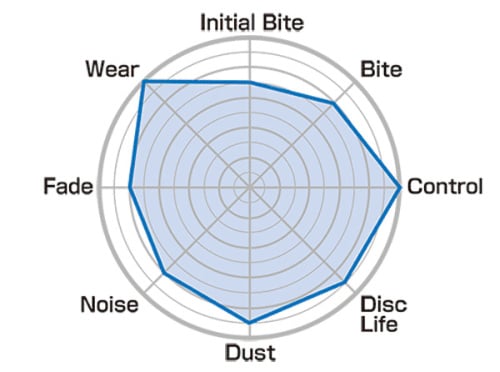

Brake pads are chosen first by the temperatures they will see, then by friction level, and last by what you can live with in dust, noise and rotor wear. Japanese makers publish the first two, which makes comparing pads within a range straightforward.
Every compound works within a temperature window. Below it the pad grips less than it should; above it the pad fades. A road pad has to work from cold on the first stop of the day, while a circuit pad has to keep working after lap after lap of hard stops. DIXCEL's range shows the spread:
Friction coefficient (μ) is how strongly the pad grips the rotor for a given clamping force: higher μ means more braking for the same pedal effort. DIXCEL measures μ on a dynamometer in the SAE J2522 fade test, and the averages are 0.40 for Type M, 0.35 for Type ES and 0.57 for Type Z. Endless quotes an average μ band against rotor temperature instead: MX72 is 0.37 to 0.47 over 50 to 700 °C, and MX72 Plus 0.39 to 0.47 over 50 to 750 °C. Makers measure in different ways, so compare figures within one maker's range rather than across brands.
Pads are sold per axle and by caliper, so the caliper fitted to the car decides the part number. Brake balance depends on both ends: a much grippier pad at the front alone moves the balance forward, so keep front and rear in the same maker's family unless the change is planned. Cars with rear drum brakes take shoes rather than pads, and they are chosen the same way.
A pad is only as good as the parts around it. Hard use calls for rotors that can take the heat and fresh brake lines and fluid; a car that has outgrown its brakes needs calipers or a full upgrade kit. The brakes guide covers the whole system.