New, Used & OEM Parts Search
Can't find what you are looking for? Contact Us and we're happy to help.
Your trusted source of JDM parts shipped from Japan
JDM parts shipped direct from Japan

Displaying 1 to 24 new parts of 116
1 to 24 of 116

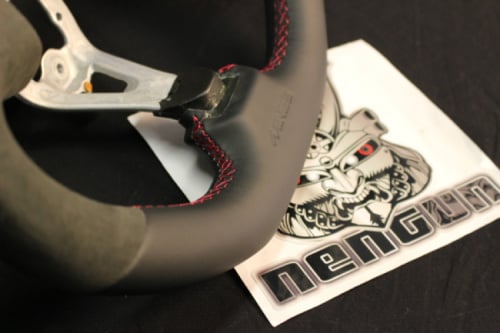




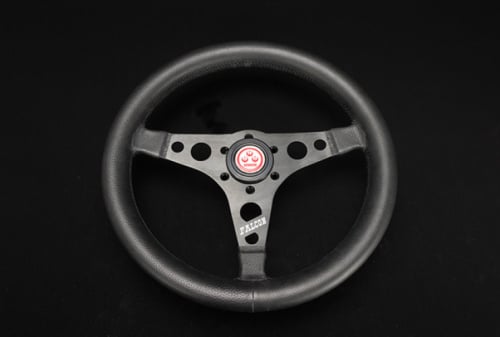
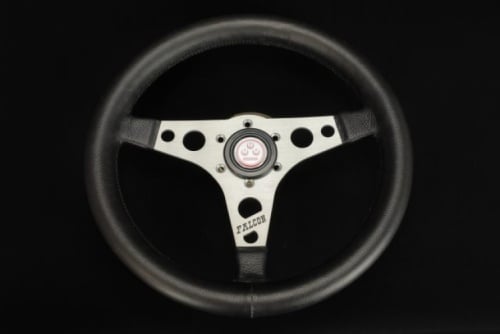

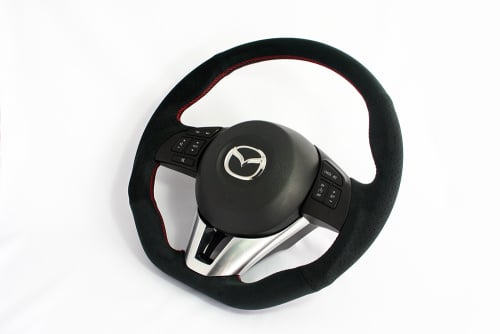


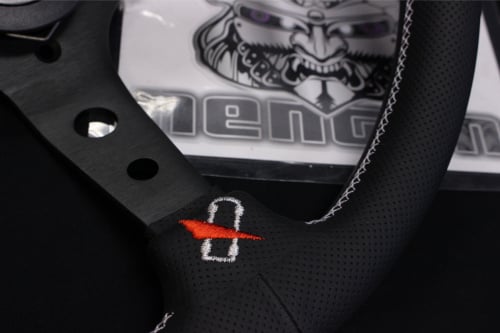


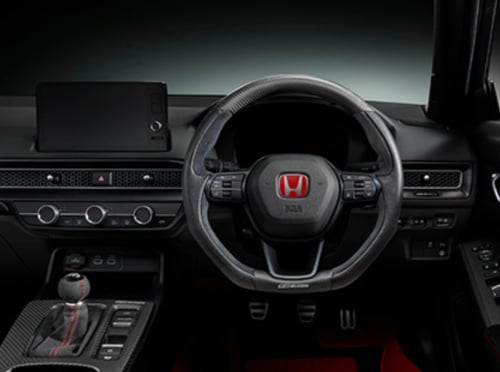


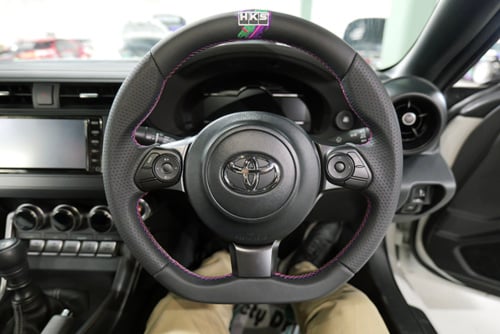


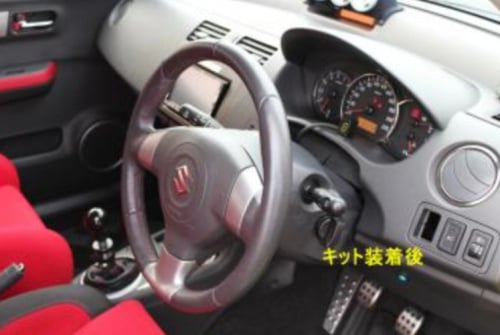


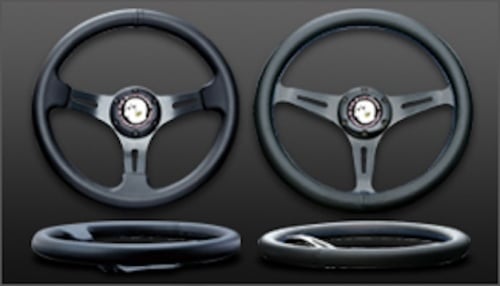
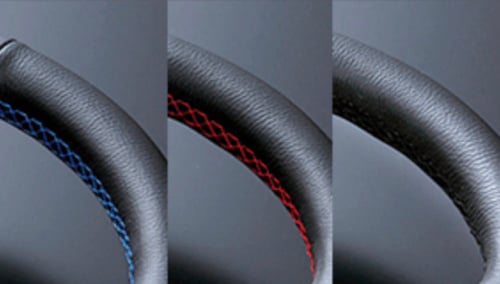
An aftermarket steering wheel changes the car's main contact point with the driver, so fit and feel matter more than looks. Three things decide it: diameter, dish, and how the wheel mounts to the column.
Wheels are sized by outside diameter in millimetres, such as Car Make T&E's 330 mm Vertex. A smaller wheel quickens the steering's feel and frees knee room, but needs more effort, which matters on a car without power steering. Check that the rim does not hide the gauges from your seating position.
Dish is how far the rim stands back from the mounting face. A flat wheel suits a car where the factory wheel already sits close; semi-deep and deep wheels, such as KEY'S Racing's Deep Type, bring the rim towards the driver, which helps with a low or rearward fixed seat and in drifting, where the hands move around the rim quickly.
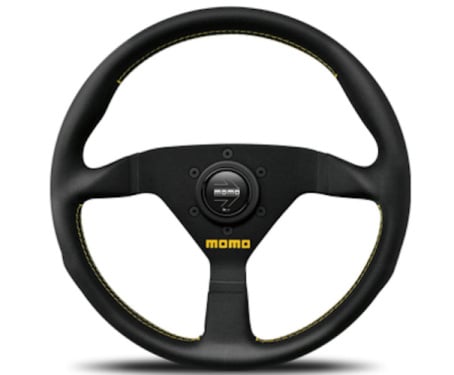
An aftermarket wheel needs a boss kit (hub adapter) made for your car's steering column and splines; the boss also sets the wheel's height from the column. The wheel bolts to the boss by six bolts. Many, MOMO among them, use a 70 mm bolt circle; Nardi and Personal wheels use 74 mm and need an adapter plate on a 70 mm boss. A quick release adds a detachable hub between the two. A horn button completes the wheel, often from its own maker.
On a car with a driver's airbag, the airbag is in the steering wheel, and almost every aftermarket wheel has none. Fitting one removes that protection in a crash. Expect the airbag warning light to come on, and expect the change to matter at a roadworthiness inspection and to your insurer. Check your country's rules and tell your insurer before you fit it. An airbag module is an explosive device: remove it with the battery disconnected, as the workshop manual describes, and store or dispose of it safely.
See the rest of the interior range for seats and shift knobs.