New, Used & OEM Parts Search
Can't find what you are looking for? Contact Us and we're happy to help.
Your trusted source of JDM parts shipped from Japan
JDM parts shipped direct from Japan


Advanced engine management & electronics enables the fine tuning of your vehicles performance, maximising the performance of aftermarket parts and unleashing the true potential of your engine.



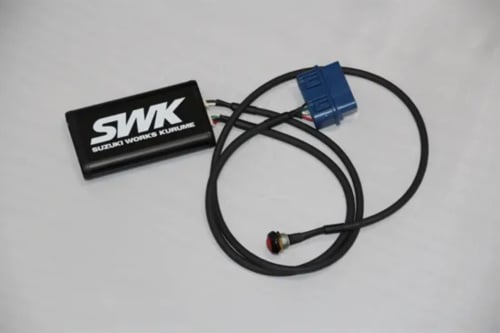
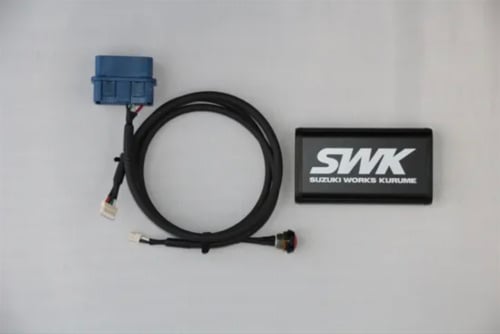
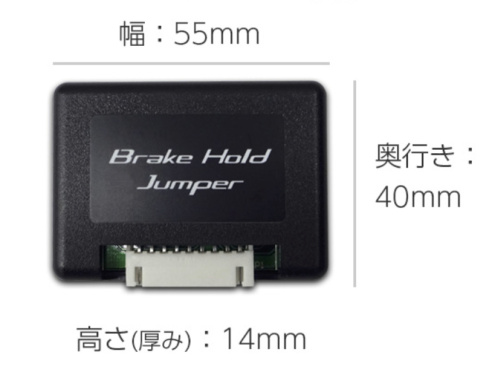
Engine management decides what every other upgrade can do, so settle it before buying gauges or controllers. A piggyback ECU sits between the factory ECU and its sensors and changes the signals the factory unit receives. The factory ECU still runs the engine, so most of its limits stay. A standalone ECU replaces the factory unit and is tuned from scratch: full control for a larger turbo, bigger injectors or a swapped engine, at the cost of more tuning time and often a dedicated harness.
A car with a filter and an exhaust rarely needs either. Any change to fuelling or ignition timing should be tuned on a dyno and checked against an air-fuel ratio reading.
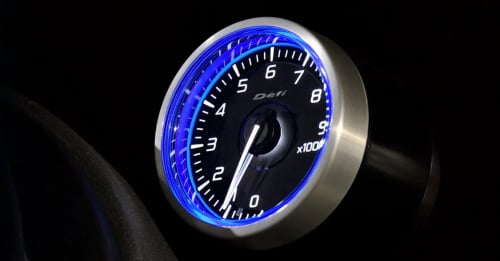
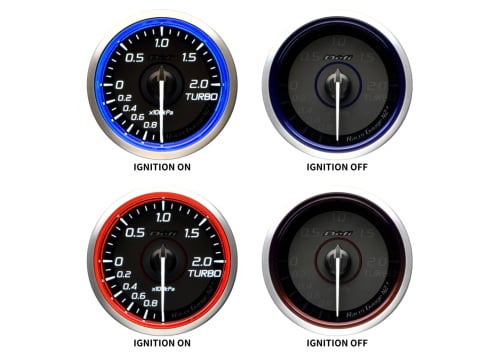
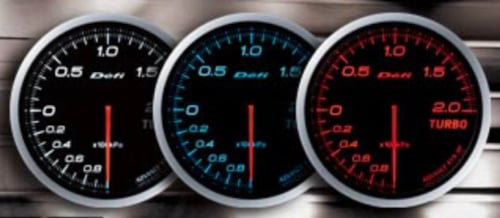
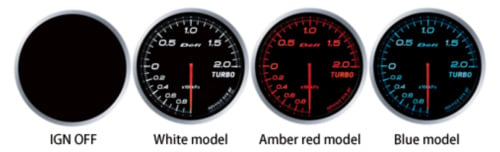
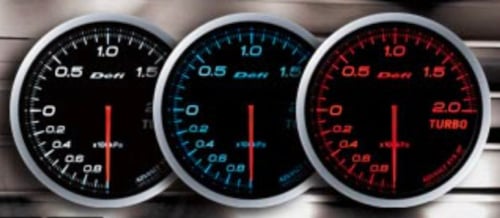
A turbocharged road car is usually watched on boost, oil pressure and water temperature. A circuit car adds oil temperature, and a car being tuned adds air-fuel ratio. Electronic gauges read their own sender units: Defi's Advance gauges come in 52 mm and 60 mm faces and run from a Defi-Link control unit, and Defi's temperature senders use a 1/8 PT tapered thread. Senders go into the engine through gauge fittings and adapters, so check the thread at the point you plan to tap into. Mechanical gauges need no power or control unit, but run a line or capillary from the engine to the dial. An OBD display such as GReddy's Sirius Vision OBD needs no extra senders, but shows only what the car's own ECU measures and reports.
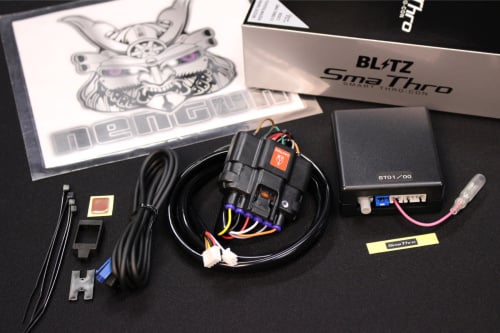
Throttle controllers change how an electronic throttle responds to the pedal; they do not add power. Damper controllers adjust electronically adjustable dampers from the driver's seat, and are matched to the damper maker's system. Japanese-market cars are limited to 180 km/h under a voluntary agreement among the makers; a limiter cut such as HKS's raises that limit, which matters on a circuit and changes nothing about road speed limits.
Most of these parts are made for specific cars, harnesses and connectors. Choose your car with the car selector to see the parts listed for it, and have anything wired into the ECU fitted by someone who knows the car's wiring.

