New, Used & OEM Parts Search
Can't find what you are looking for? Contact Us and we're happy to help.
Your trusted source of JDM parts shipped from Japan
JDM parts shipped direct from Japan

Displaying 1 to 24 new parts of 641
1 to 24 of 641


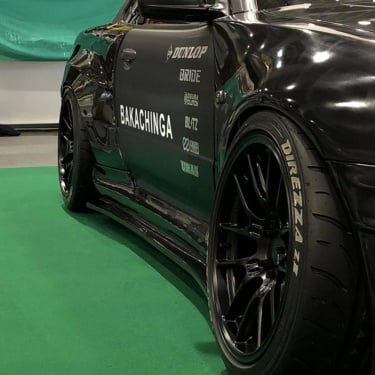

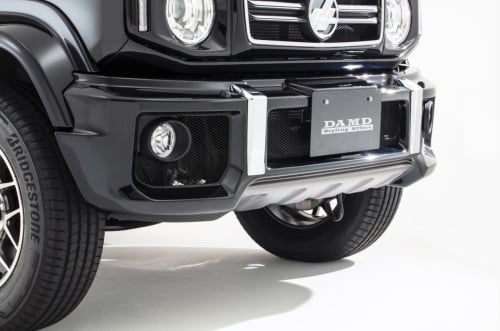

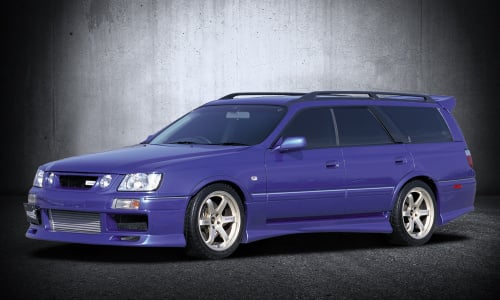

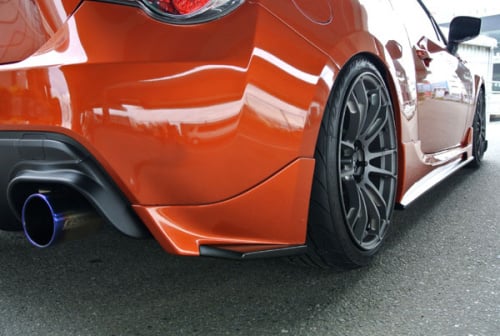

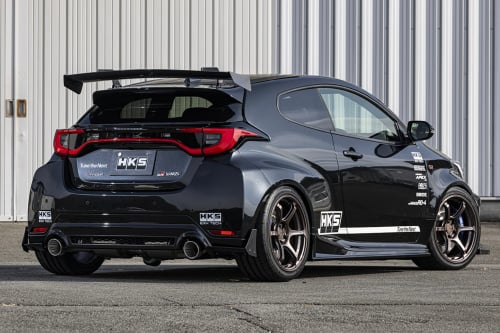
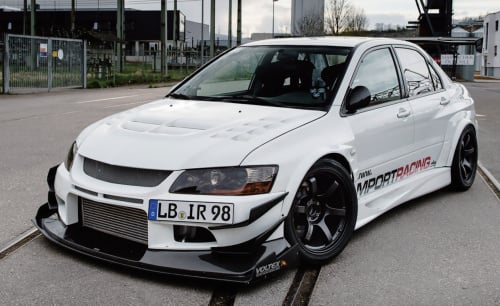


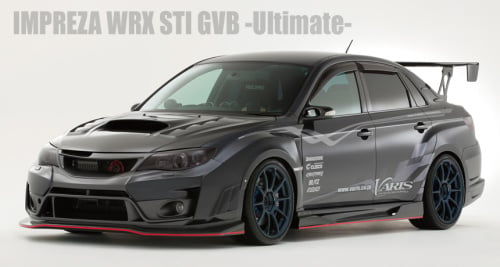

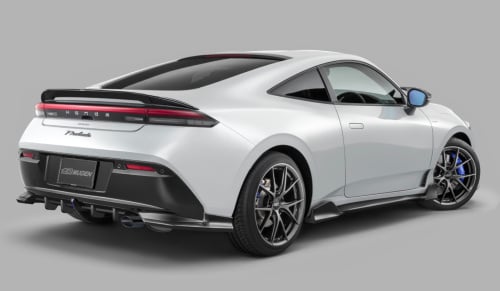

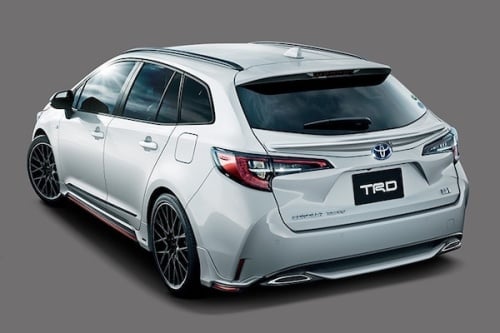

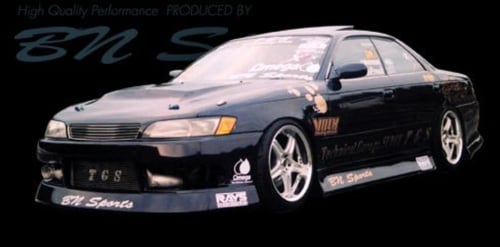

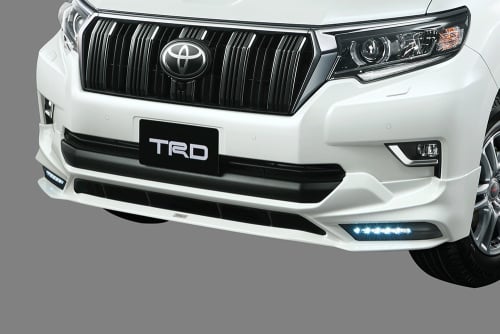

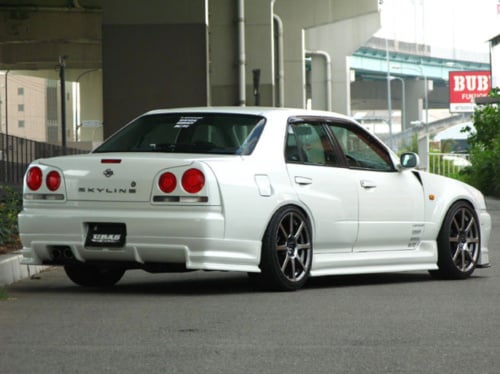


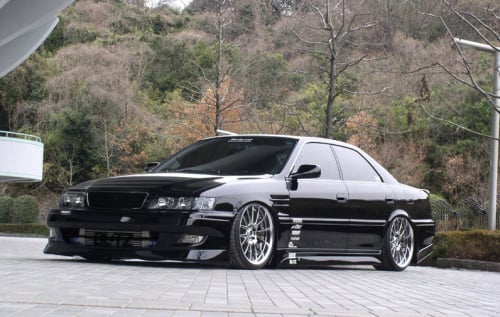


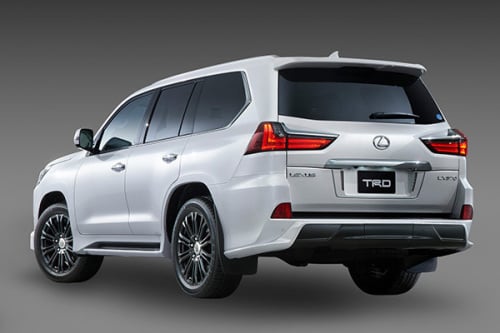


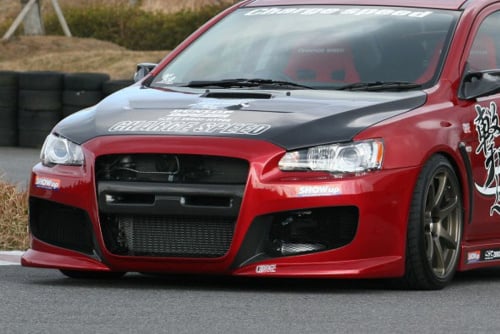

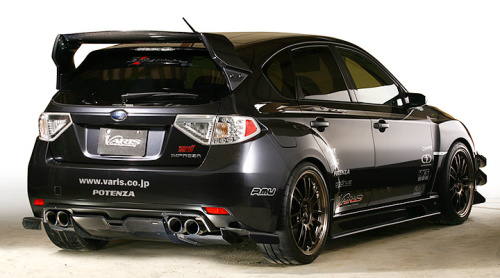

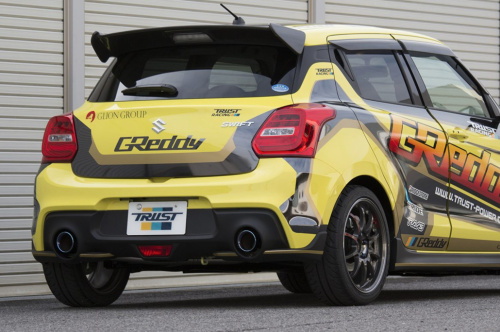


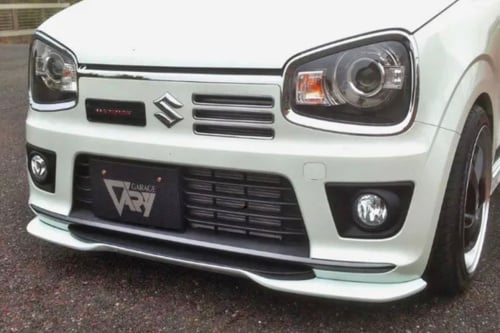
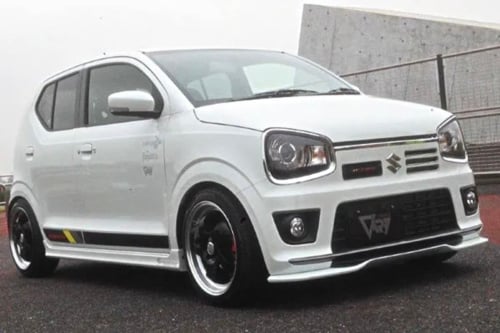


An aero kit changes how a car looks and sits more than any other bolt-on part. Work through it in order: the exact body it has to fit, how much of the car you want to change, what the parts are made of, and how they will be painted and fitted.
Aero parts are moulded to one body shell, and often to one side of a facelift. Japanese makers list fitment by chassis code and production dates, so check both on the car before choosing, along with whether it still wears its original bumpers. Kits are developed on an unmodified car, and accident repairs can shift body dimensions enough to make fitting difficult.
A front lip, side steps and a rear under-spoiler that mount to the factory bumpers are the least invasive route; see front lips and spoilers and side steps. Full replacement front bumpers and rear bumpers change the whole face of the car and take more work. Many kits are sold as numbered pieces, so a lip can come first and the rest later. A rear wing is a separate decision.
Lowered cars need more care: a lip that clears the ground at standard ride height may not on coilovers. TRD's front spoiler for the 86 sits about 25 mm lower than the factory bumper and its side skirts about 35 mm lower: the kind of figure to check against your own ride height.
Resin parts are injection-moulded and arrive close to a finished fit; TRD's 86 parts are PPE or ABS resin. FRP (fibre-reinforced plastic) is the usual material for specialist kits and lets small makers produce bold shapes, but it needs preparation before paint and is more easily damaged by impact and heat.
Test-fit FRP before anything is cut or painted. The procedure for HKS's GR Yaris Type-S side skirts is typical: a trial fit, then degreasing, sanding at #240 to #400, a primer-surfacer and a further sanding before colour, and HKS takes no returns of parts that have been modified or painted. FRP can also blister or distort once its surface passes 40 °C, as on a car parked in strong sun. Use a body shop that knows aero work, and count paint and fitting in the cost. The exterior guide covers the rest of the body.
