New, Used & OEM Parts Search
Can't find what you are looking for? Contact Us and we're happy to help.
Your trusted source of JDM parts shipped from Japan
JDM parts shipped direct from Japan

Displaying 1 to 24 new parts of 45
1 to 24 of 45


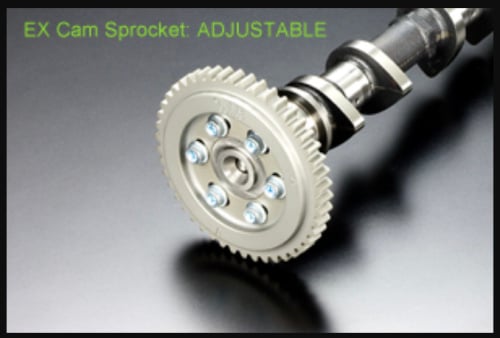


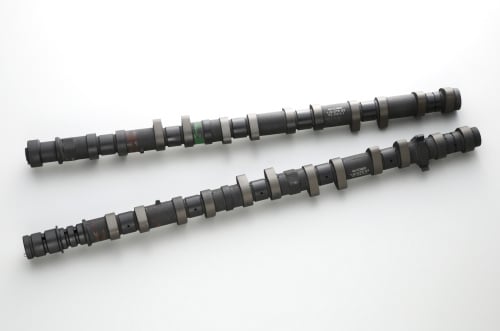

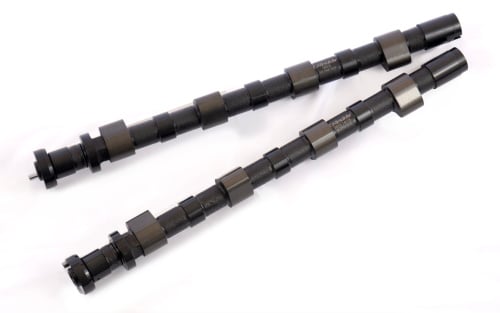


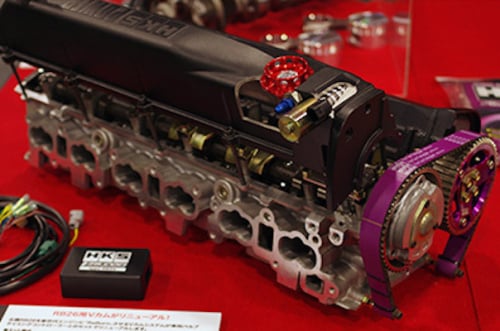


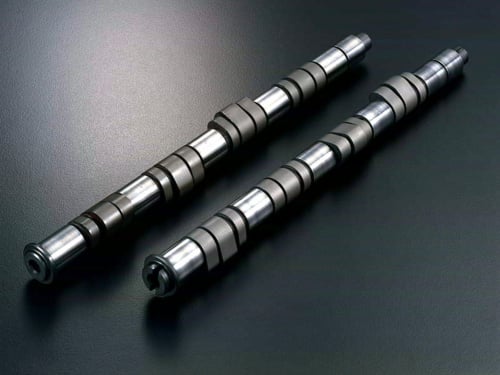


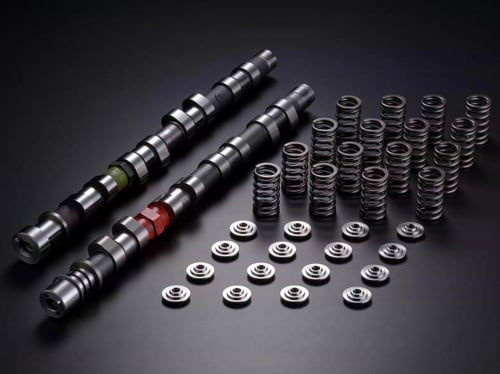

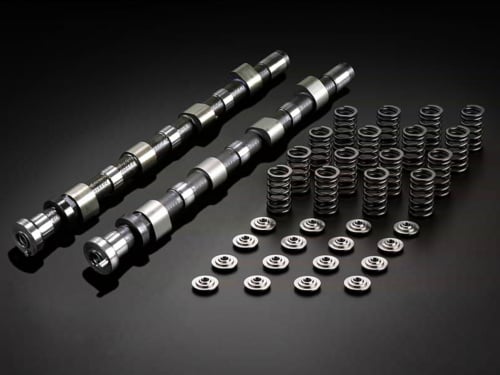


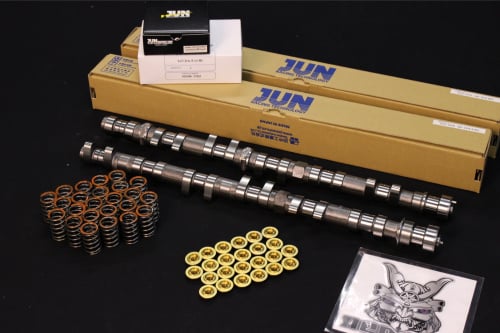


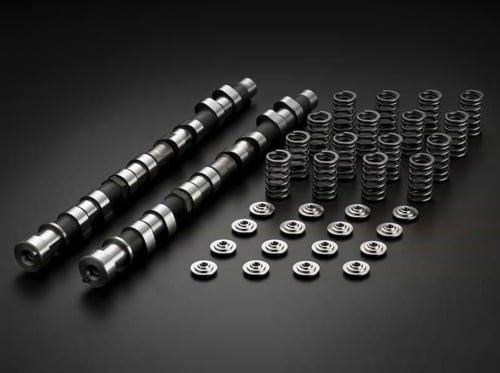


The camshafts decide when the valves open, how far, and for how long, so they shape where in the rev range an engine makes its power. A cam change is one of the most effective engine upgrades and one of the most interdependent: what goes with it matters as much as the profile.
Duration is how long the valve stays open, in degrees of crankshaft rotation; Japanese cams are often named by it, as in a 256 or 264 cam. Lift is how far the valve opens, in millimetres. More duration moves power higher up the rev range at the cost of low-speed torque and idle quality. More lift helps only as far as the ports can flow the extra air, and reduces the clearance between valve and piston.
Mild profiles are made to fit straight in. Tomei's Poncam, for example, uses the factory valve timing, works with factory variable valve timing such as Nissan's NVCS, and needs no new valve springs if the originals are in good order. Aggressive profiles, such as Tomei's ProCam, are for engines built for much more power, and generally need the timing set by degreeing. HKS, JUN and Toda make cams across this range, Toda's on some engines with an inner-shim kit; each maker's specification says what springs and timing a profile needs.
Cams are made for one engine, and sometimes one version of it, so match the engine code and its variable timing system. See the rest of the engine range.


