































































The C33 Laurel
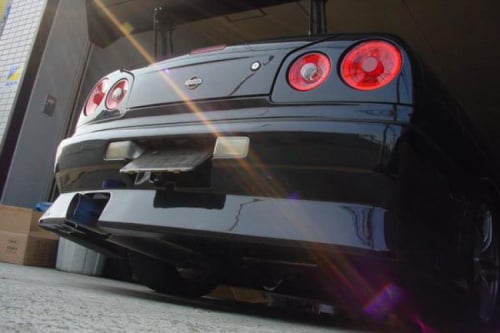
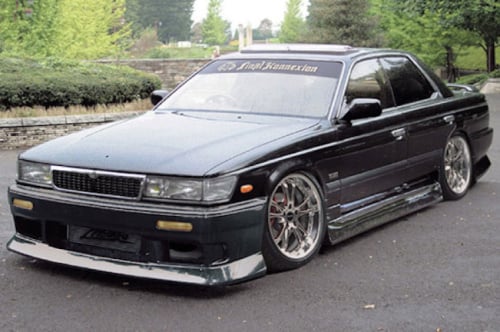
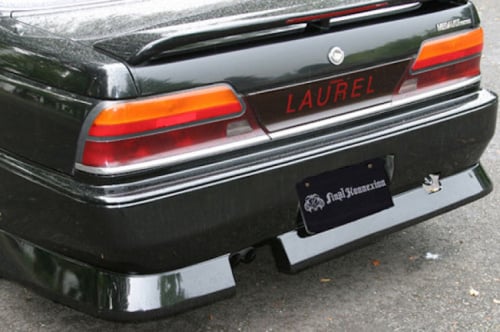
Nissan announced the sixth-generation C33 Laurel in December 1988, put it on sale in January 1989 and replaced it with the C34 in January 1993. It is a four-door pillarless hardtop, the last Laurel built that way, on a floor plan shared with the A31 Cefiro and the four-door R32 Skyline, and every C33 is rear-wheel drive.
The six-cylinder engines are mostly 2.0-litre RBs: the single-cam RB20E, the twin-cam RB20DE at 155 PS, and the intercooled RB20DET turbo at 205 PS. A 2.5-litre RB25DE joined in 1991, and there were four-cylinder CA18 and RD28 diesel versions too. Gearboxes were a five-speed manual and four- and five-speed automatics. The sporty Medalist Club S has a black grille and front spoiler, and came with HICAS-II rear-wheel steering and a viscous limited-slip differential as standard.
What C33 owners upgrade
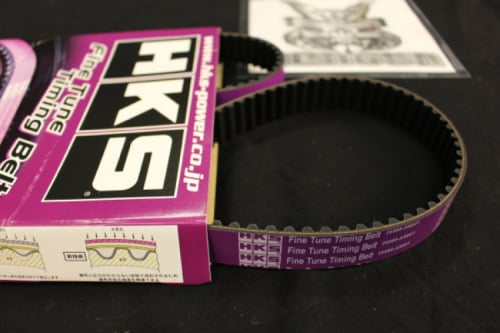
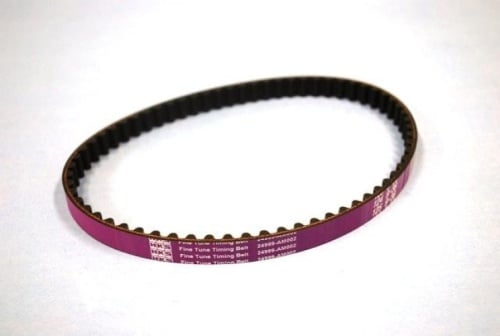
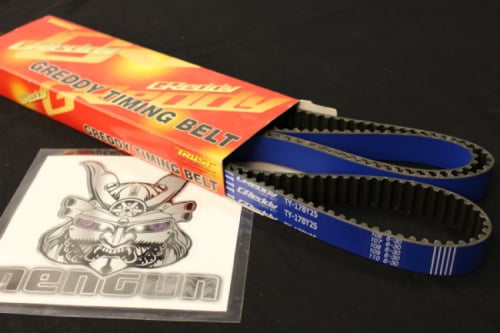
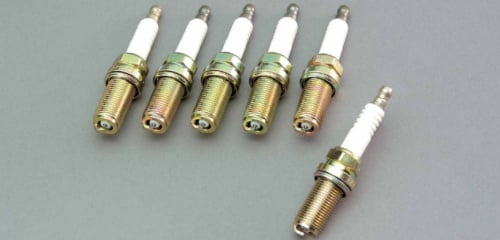
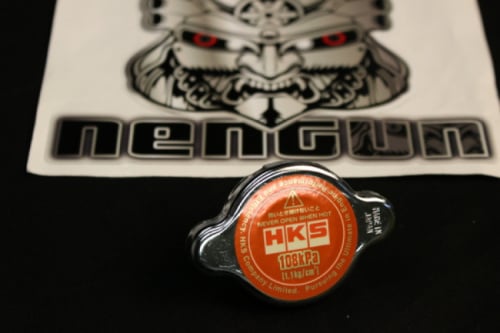
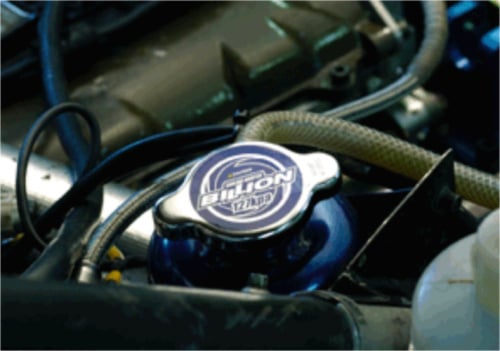
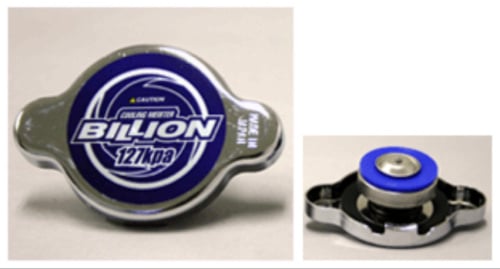
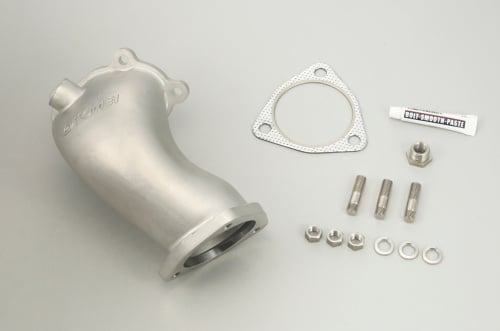
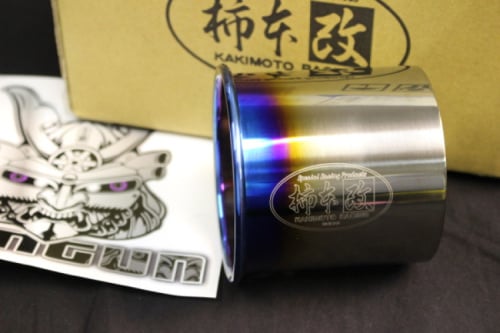
The C33 shares its running gear with the R32 Skyline, and owners use it the same way, often for drifting. Extension and dump pipes and straight pipes from the exhaust range are the most bought parts, and turbo timers are a regular buy for the RB20DET. Alternators and spark plugs from the ignition range, radiator caps from the cooling range and belts from the engine range keep an old RB in good order.
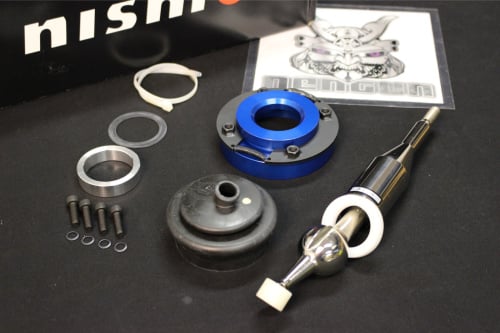
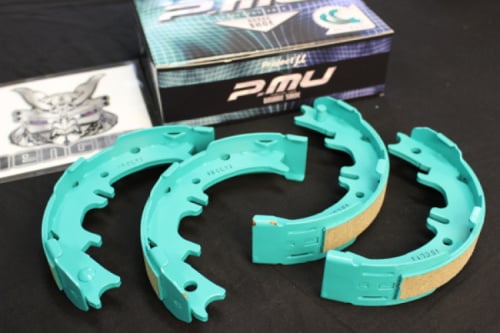
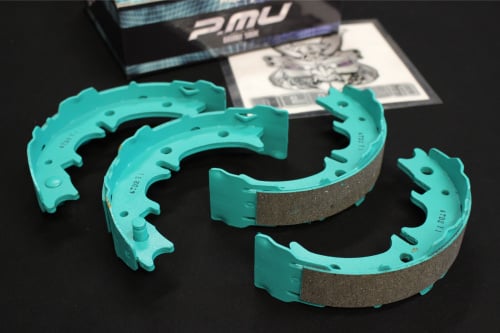
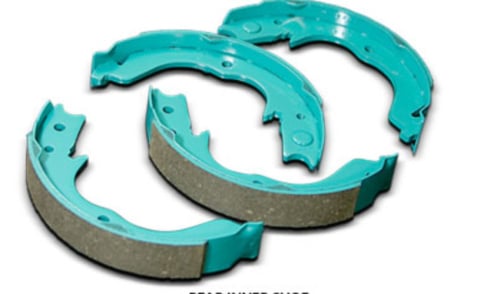
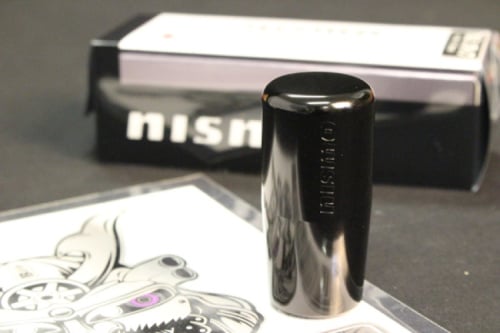
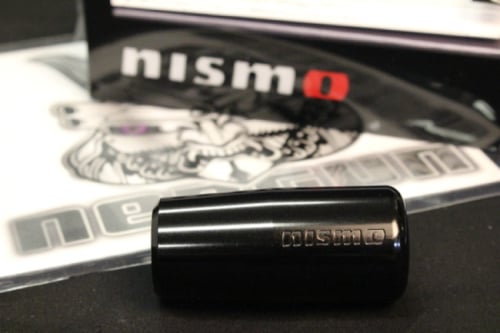
Aero kits from the exterior range change the long, low hardtop's look, and brake pads and steering parts finish many cars. Tomei, Nismo, ARD, G-Corporation, HKS, D-Max and DIXCEL are among the names owners choose.
Genuine parts
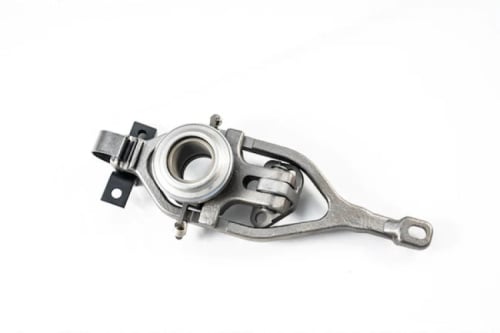
On cars with HICAS-II, the rear steering is hydraulic, and its lines and seals leak with age. The twin-cam RBs' coil packs cause misfires as they fail, and the timing belt is due every 100,000 km or five years. A pillarless door seals against its rubber alone, so worn weather strips let in wind and water. Differentials and HICAS varied by grade and engine, so check the car before ordering from our genuine Nissan parts catalogue.
