New, Used & OEM Parts Search
Can't find what you are looking for? Contact Us and we're happy to help.
Your trusted source of JDM parts shipped from Japan
JDM parts shipped direct from Japan


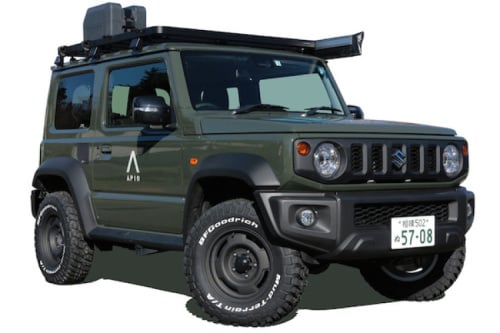
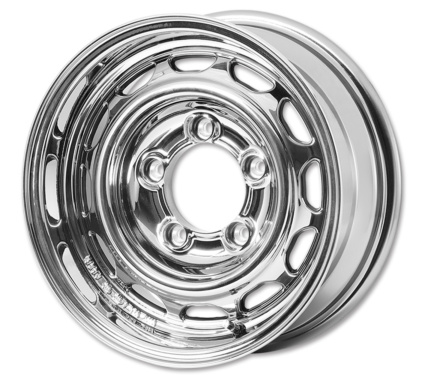
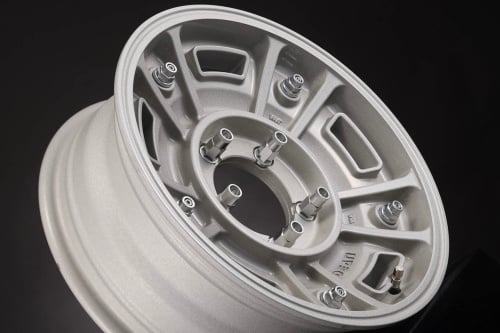
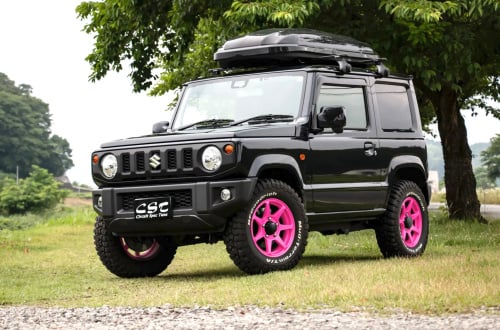
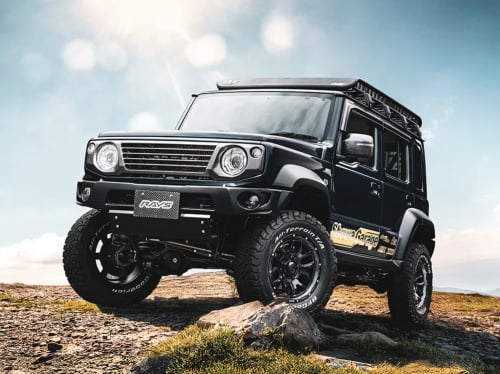
Strong wheels for Japanese 4x4s, SUVs and vans from RAYS, ENKEI, JAOS, 4x4 Engineering and Modellista. Made to carry the weight and take the knocks off road, for the Land Cruiser, Hilux, Jimny and more.
Displaying 1 to 24 new parts of 44
1 to 24 of 44
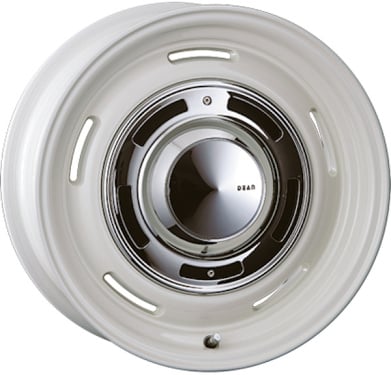

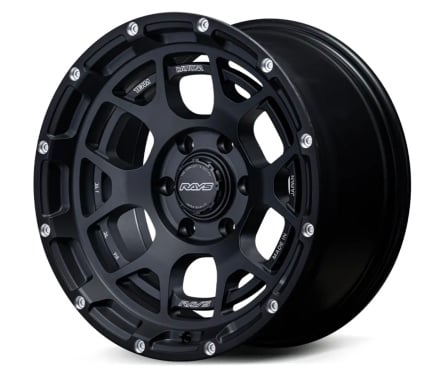
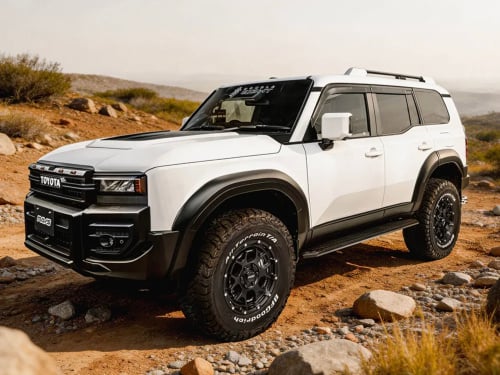
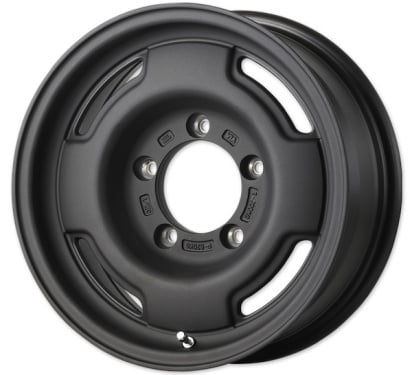



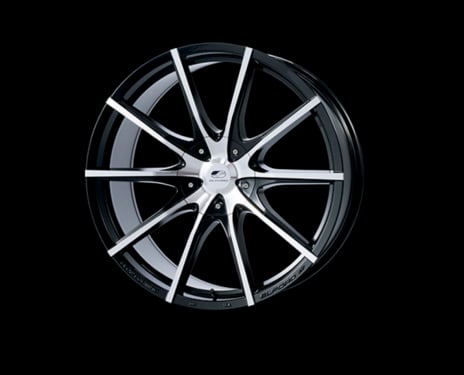
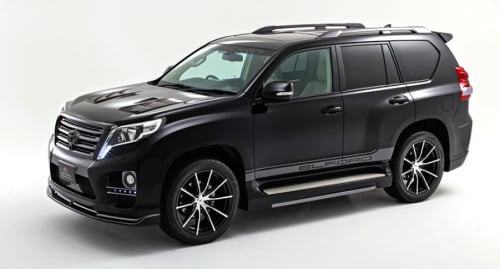
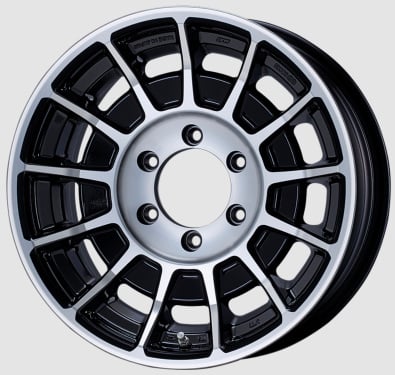


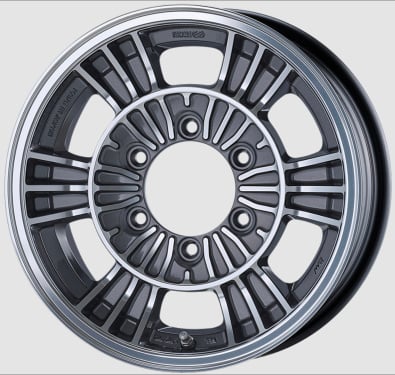

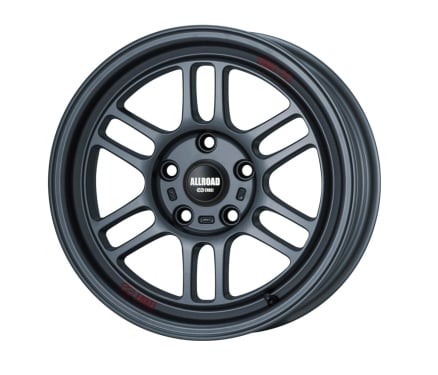
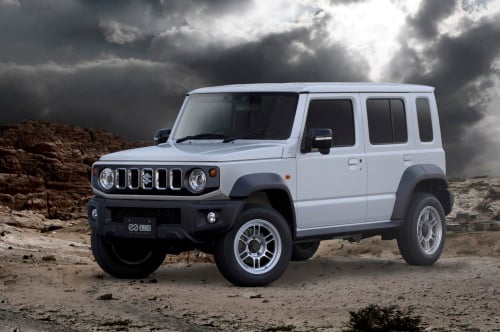
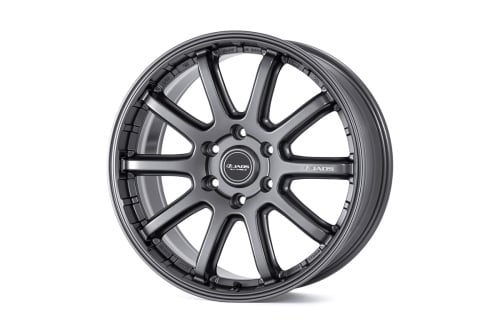

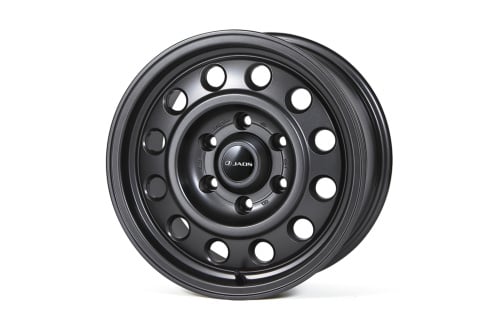


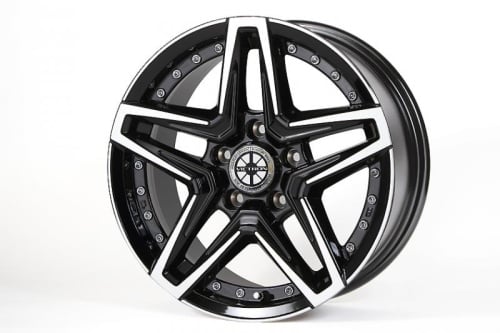
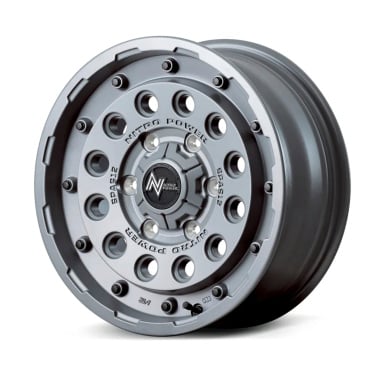

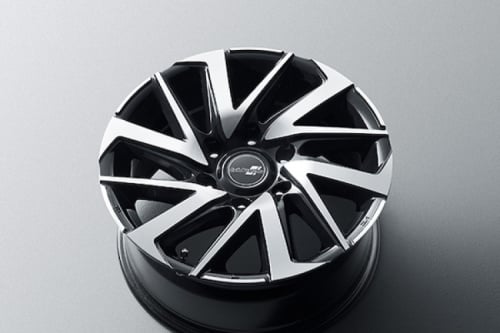
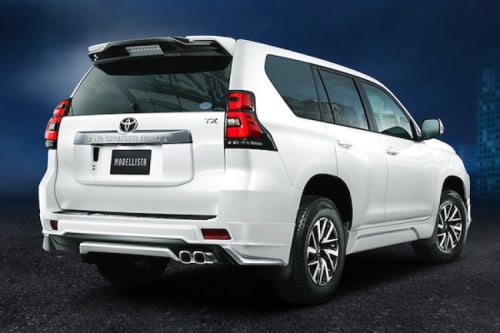


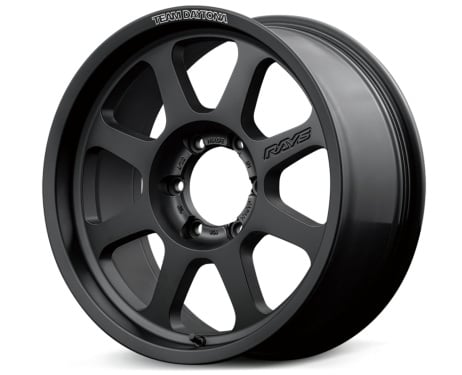

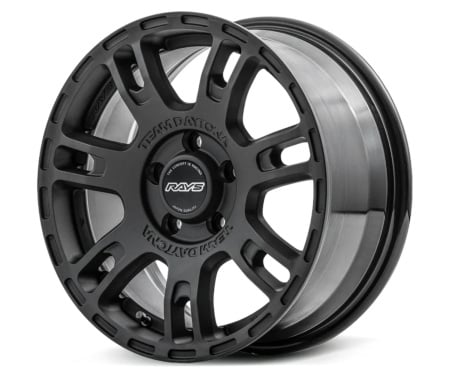
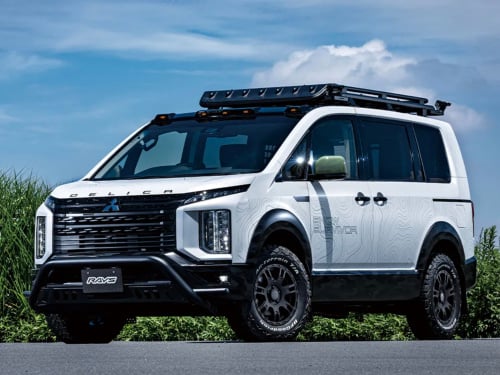
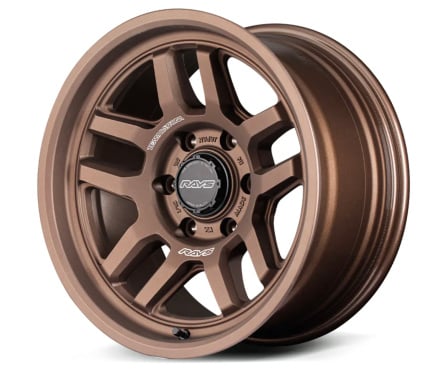
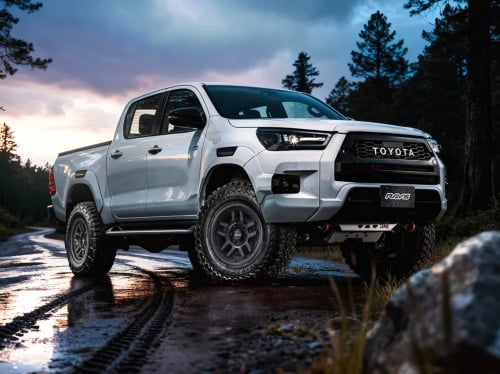
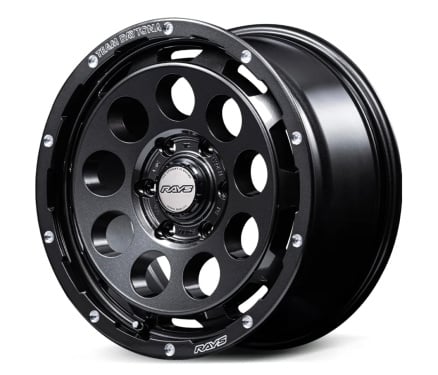
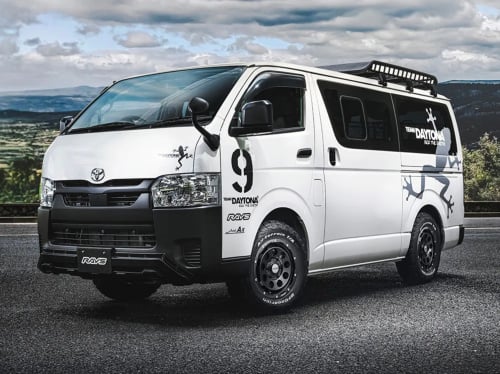
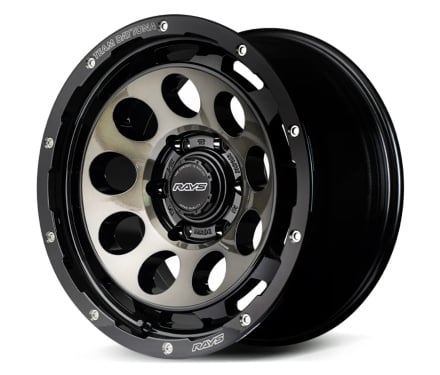
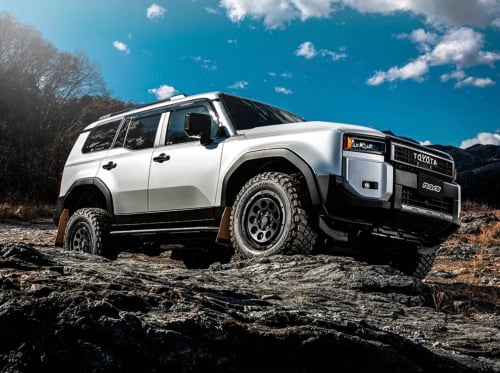
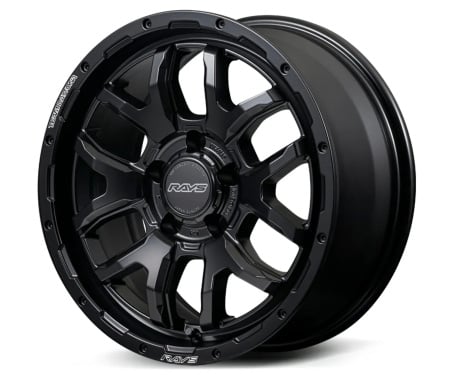
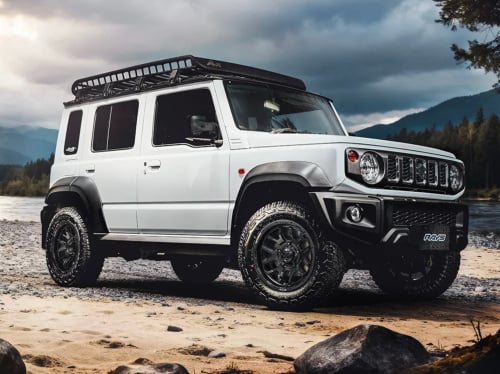
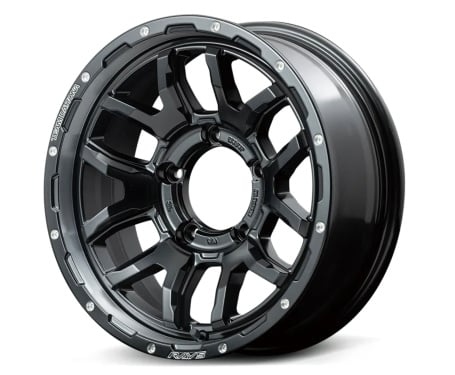
Start from the size your car came with and from sizes known to fit it. Width and offset together decide where the rim and tyre sit, so changing one usually means changing the other. Big brake calipers need clearance behind the spokes, so a car with a brake upgrade should be checked against the wheel's caliper clearance.
Forged wheels, such as the Volk Racing range from RAYS, are stronger for their weight than cast wheels and cost more; RAYS' Gram Lights are its cast range. The same measurements apply to every maker's wheels, from Work to SSR.
Alloy wheels for passenger cars sold in Japan must meet JWL, the standard set by the Ministry of Land, Infrastructure, Transport and Tourism, and carry its mark; makers certify their own wheels to it. A VIA mark shows the wheel has also passed testing by the Japan Vehicle Inspection Association, a third party.
Spacers move a wheel outwards. Thin spacers fit over the studs and reduce how much thread the nut engages, so they may need longer studs or bolts; thicker ones bolt to the hub and carry studs of their own. Tighten nuts to the car maker's torque with a torque wrench and check them again after the first drive. Rules on wheel and tyre size, and on tyres that stand out past the bodywork, differ between countries.